France is not at war. Yet it is already paying the bill: costlier energy, disrupted supply chains, public finances under strain. Jérôme Denariez makes the case without detours — war is written into the accounts before it is written onto any territory.
His thesis: power is no longer measured by a stockpile of equipment, but by the capacity to turn that stock into flow — to produce, repair, and replace, over time. France retains major assets (deterrence, a Security Council seat, a first-rank industry), but its productive base remains full of gaps, leaving it dependent on decisions made elsewhere. Europlasma, the Forges de Tarbes, the failure of the SCAF: three cases, one same mechanism. A capability declared strategic, without the economic model to remain so. The result: France pays three times — at abandonment, at reconstruction, at incompleteness.
The Essentials
- France is already funding a significant share of the economic cost of the war in Ukraine, without fighting in it.
- The shift from “stock” to “flow” redefines power: what matters is the capacity to produce and regenerate over time, not merely to possess.
- Europlasma, Forges de Tarbes, SCAF: three cases of the same flaw — strategic capabilities left without an industrial and financial model to match.
by Jérôme Denariez [*]— Paris, July 19, 2026.
Table of Contents
What other people’s wars cost France
France is not at war with Russia. Its soldiers are not fighting directly on the Ukrainian front, and its aircraft are not taking part in operations. Yet it is already bearing a significant share of the conflict’s cost.
This bill is not limited to the equipment delivered to Ukraine or the financial contributions announced since 2022. The war has amplified the rise in energy prices and certain raw materials, disrupted trade, and worsened supply difficulties. It has hit households through prices, businesses through their costs, and public finances through the measures taken to cushion the shock. At the same time, it is forcing European states to fund support for the attacked country, rebuild their stockpiles, and prepare their armed forces for a strategic environment that has deteriorated for the long term.
War thus begins in the accounts long before it begins on the ground
All economies suffer the consequences of major conflicts. They do not suffer them, however, with the same intensity or in the same way.
A country that has greater control over its energy, its financing, its technologies, its supply chains and its strategic production has more resources to cushion the shock. It can reserve certain capabilities for its own needs, impose its standards, steer coalitions, and capture part of the value created by new security spending.
War always costs it something, but its architecture of power allows it to absorb some effects, shift others, and sometimes turn a fraction of it into an economic or strategic advantage.
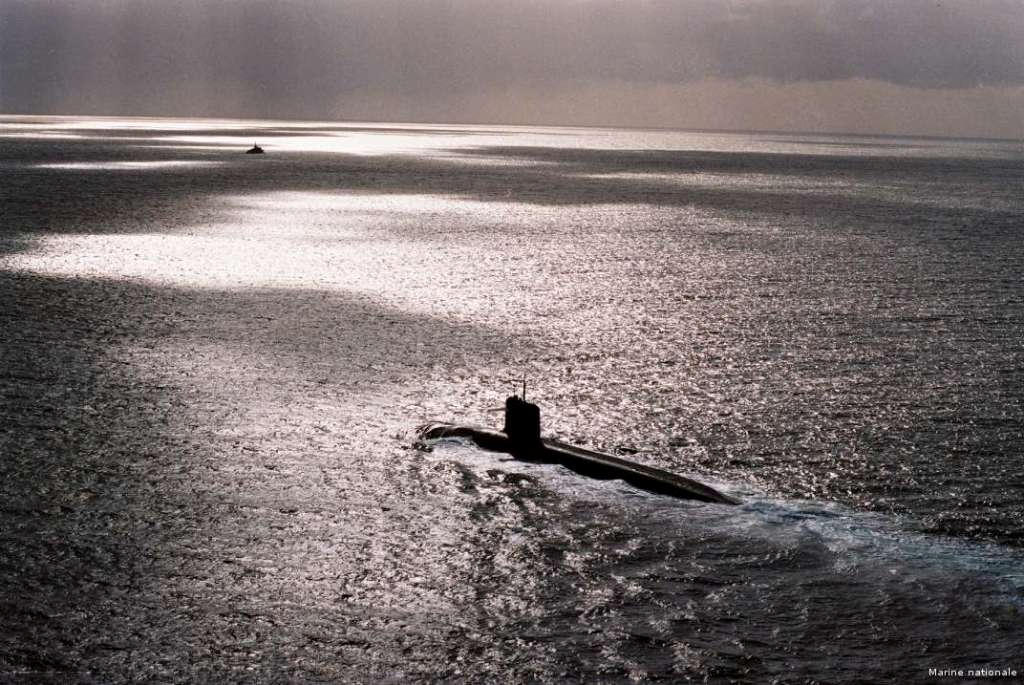
France’s position is more ambiguous. France retains major attributes of power: nuclear deterrence, a permanent seat on the Security Council, forces capable of projection, and a first-rank aerospace, space and naval industry. But this power remains incomplete.
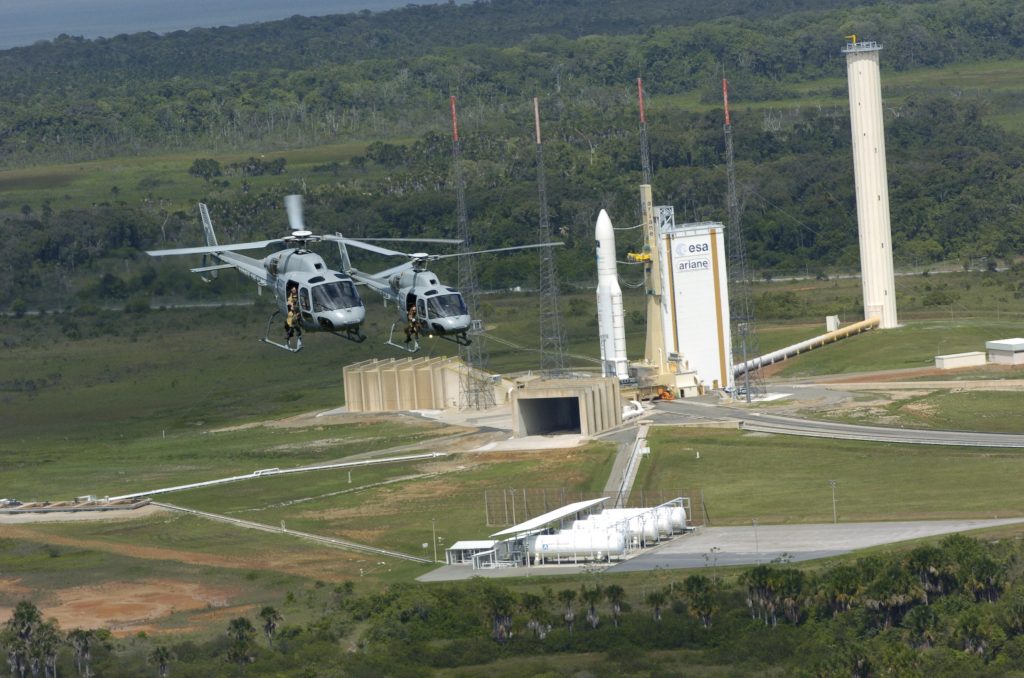
It retains advanced technological capabilities while having let more ordinary production, suppliers, stockpiles and certain industrial skills disappear.
This disconnect has a cost. France bears the macroeconomic bill of the conflict, then the budgetary bill of its adaptation, without necessarily capturing an equivalent share of the industrial value created by rearmament.
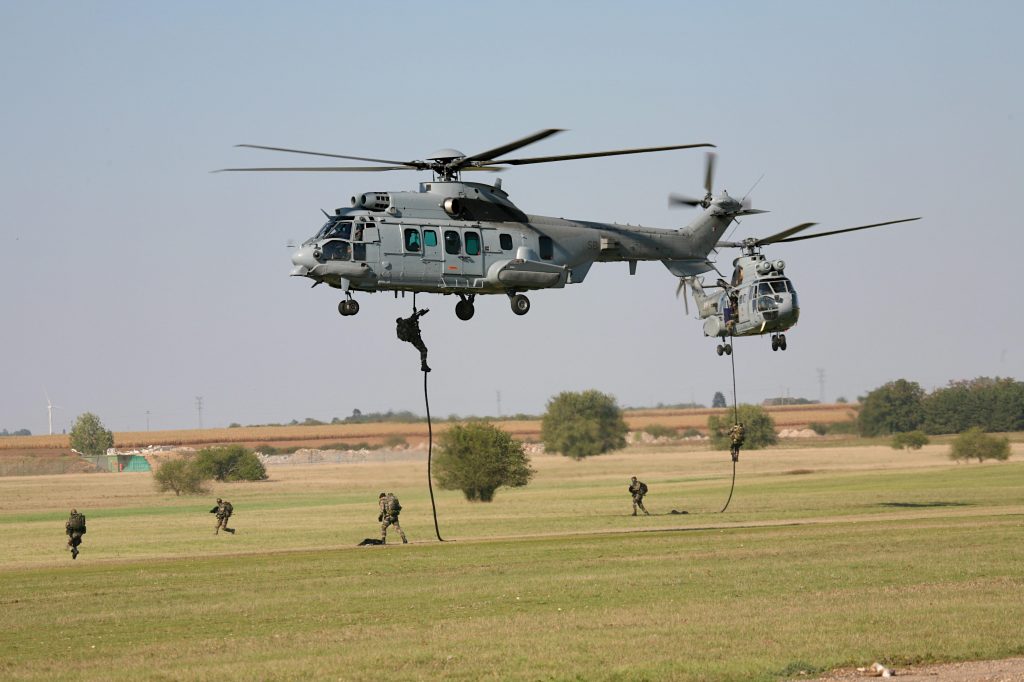
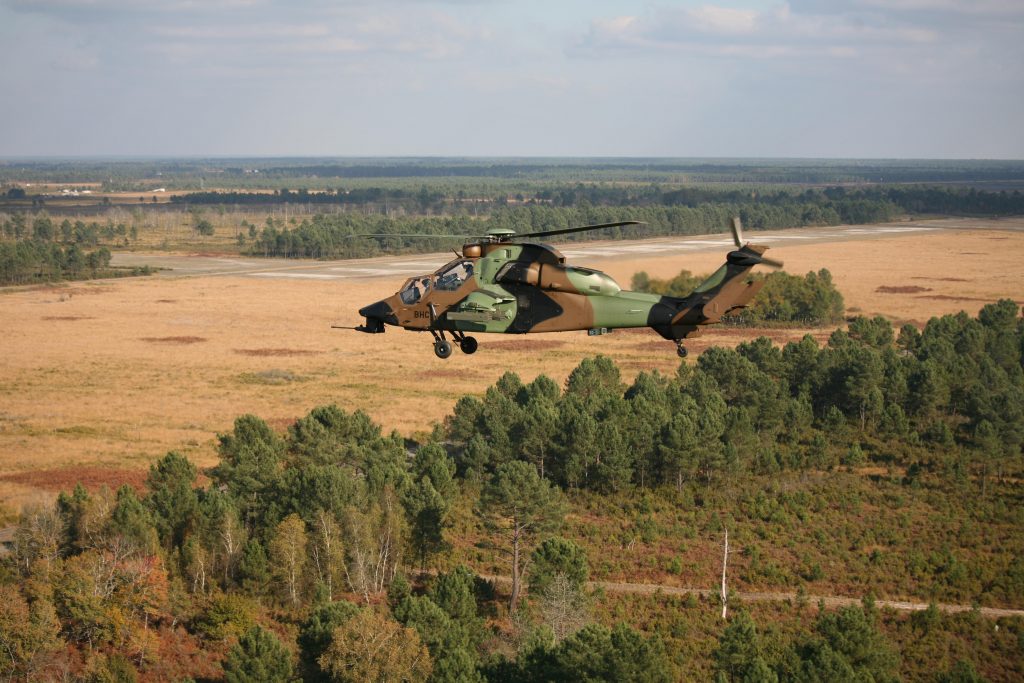
It can produce one of the best combat aircraft in the world, yet depend on decisions made elsewhere for certain supplies, certain infrastructure, or the financing needed to scale up its companies.
The Naval Counter-Example: When Articulation Produces Capability
The Naval Counter-Example: When Articulation Produces Capability
The French success in the frigate sector demonstrates that fragmentation is not inevitable. When operational doctrine, prime contractorship, industrial continuity, domestic orders, and exports are aligned over time, France is fully capable of preserving a sovereign capability and transforming it into an industrial and strategic advantage.
Far from contradicting the initial diagnosis, this counter-example illustrates precisely what a coherent architecture can produce.
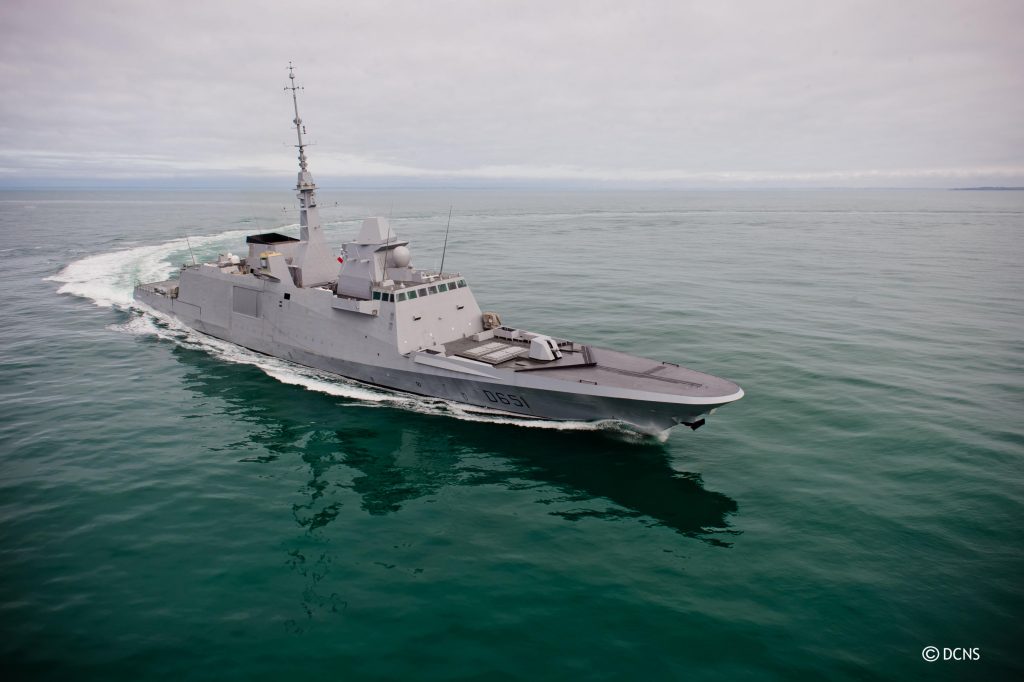
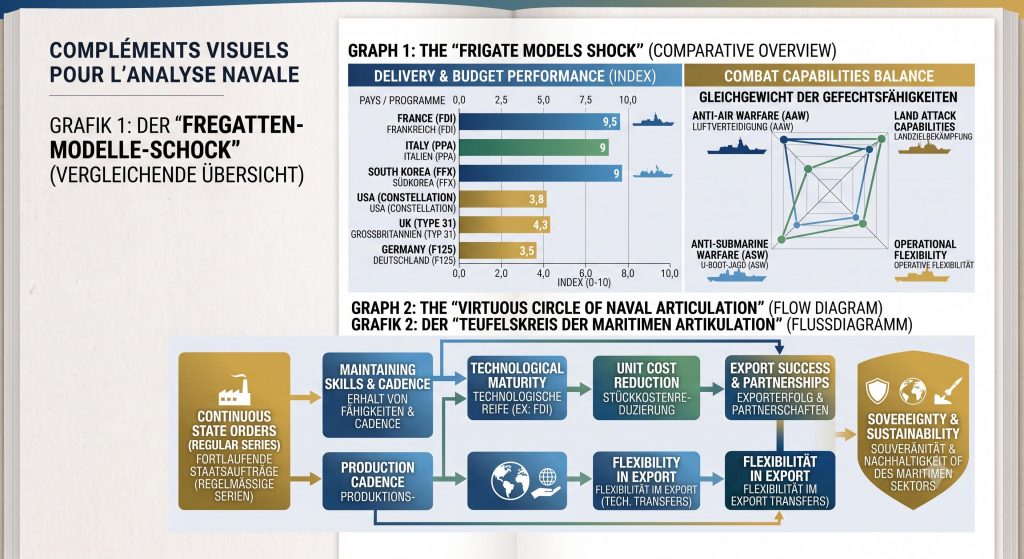
Today, several shipbuilding sectors continue to perform well. France (Naval Group), Italy (Fincantieri), and South Korea (HD HHI, Hanwha Ocean), however, stand out for the continuity of their production runs, their ability to maintain production rates, and their capacity to adapt their models for export—a clear sign of the major overhaul underway in naval military shipbuilding. France and Italy anticipated these shifts by prioritizing heavily armed and highly automated frigates, such as the FREMM and FDI. The FREMMs are heavy, multi-mission vessels featuring high firepower and automation, while the FDIs (Frégates de défense et d’intervention) are more compact, ultra-modern, and heavily digitalized, equipped with the Sea Fire flat-panel radar and Aster 30 missiles. Following Greece, Sweden has selected the French FDI as the basis for negotiations regarding the acquisition of four frigates.
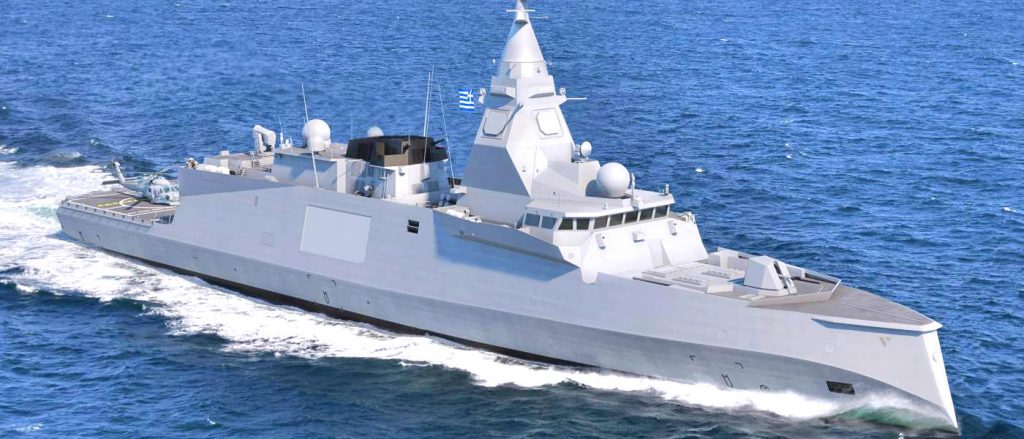
Why do frigate programs focus on a limited number of prime contractors and models that can be exported, as seen with the United Kingdom (Types 26 & 31), the United States (Constellation), Germany (F125), Sweden, Belgium, and the Netherlands (ASWF)?
Four main reasons account for this:
- Industrial continuity and cadence control: Unlike Germany or the United Kingdom, which experienced skill-destroying production gaps, France, Italy, and South Korea have maintained steady state orders (FREMM, PPA, FDI, and FFX programs).
- Delivery speed, now a critical criterion: Rising global insecurity (the war in Ukraine, tensions in the Mediterranean and the Baltic) has forced navies to rapidly modernize their fleets.
- A design philosophy focused on high-intensity warfare and the search for mature projects…
- High Export Flexibility: France, Italy, and South Korea readily adapt their vessels to the specific needs of local customers by integrating indigenous missiles and specialized combat management systems (such as Saab’s 9LV in Sweden), while offering attractive industrial partnerships and technology transfers. First-tier frigates must feature cutting-edge anti-submarine warfare (ASW) as well as advanced anti-air/anti-ballistic defense capabilities, without ballooning into financially unviable “monsters.”
A power is therefore not measured solely by its capacity to go to war. It is also measured by its capacity to prevent other people’s wars from durably determining its prices, its dependencies, its investments and its budgetary trade-offs.
Paying for a war one hopes to avoid
The war in Ukraine also forces France to fund preparations it hopes never to have to use. A credible defense requires munitions that may remain stockpiled for years, equipment maintained even when not deployed, industrial lines capable of ramping up production without running constantly at full capacity, redundant infrastructure, and troops trained for operations that deterrence is precisely meant to prevent.
These expenses can easily look like inefficiencies in peacetime. A stockpile ties up resources. An underused factory erodes its profitability. A second supplier makes purchasing more expensive. Backup infrastructure costs money without producing a visible service. Short-term financial logic then leads to cutting margins: consolidating suppliers, reducing stockpiles, closing insufficiently profitable sites, deferring investments whose usefulness seems uncertain.
When war returns, however, it is not enough to restore funding. The machines have been sold, the buildings converted to other uses, the workers have left the sector, and the know-how has scattered.
The state therefore does not only pay for the evolution of the threat. It pays to rebuild what several decades of relative peace allowed to weaken.
It pays a first time when a capability is abandoned because it seems too costly. It pays a second time when that capability must be rebuilt in an emergency. It may pay a third time when that capability, rebuilt in isolation, cannot be fully employed for lack of funding for what surrounds it.
It is at that point that the lack of coordination itself becomes a cost.
From visible assets to regeneration capacity
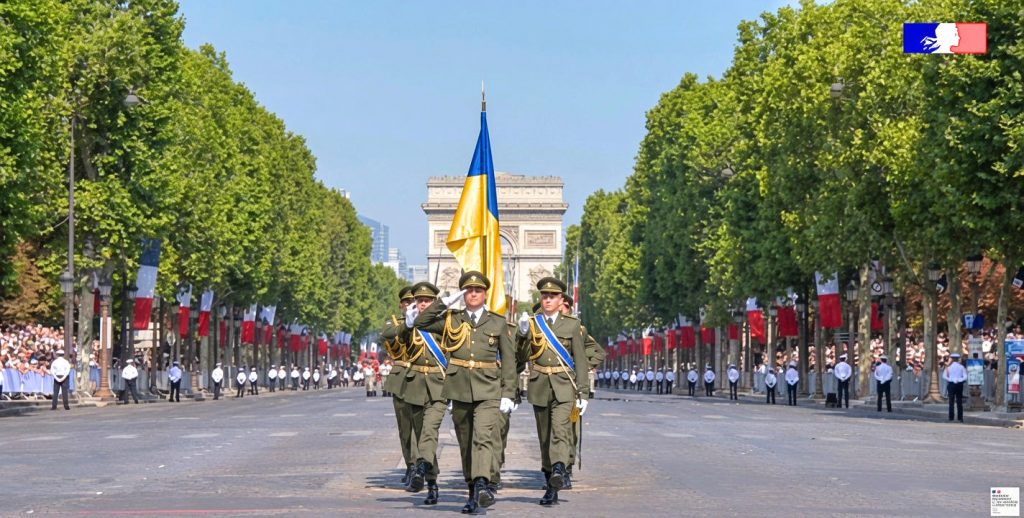
The July 14 parade gives visible shape to the nation’s defense effort. It shows soldiers, aircraft and existing equipment. A war does not look only at these assets. It tests their availability and their capacity to regenerate.
In his July 13 address to the armed forces,[01] Emmanuel Macron argued that it was no longer just the stockpile, but the flow, that determined strategic stability in Europe. It would no longer be existing arsenals alone, but the capacity to produce, that would deter adversaries.
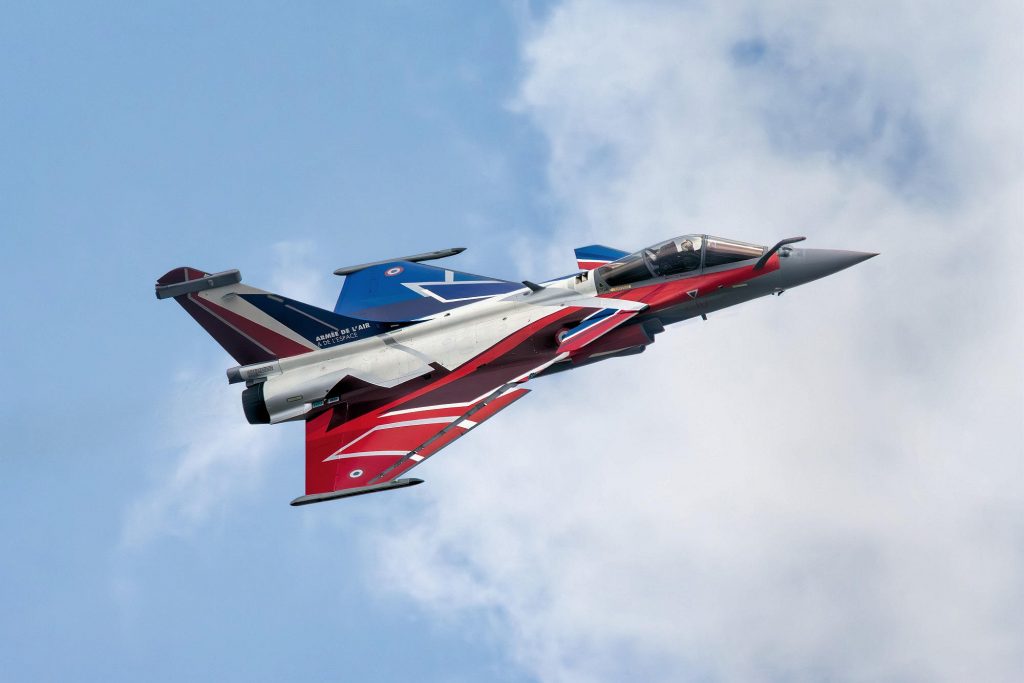
A Rafale cannot therefore be considered in isolation. Its use depends on fuel, weapons, pilots and mechanics, but also on parts, software, intelligence, communications, electronic warfare, satellites and the infrastructure needed to prepare missions. Each sortie affects fleet availability, accelerates certain maintenance cycles, consumes stockpiles, and draws on industrial supply chains that must be able to sustain operations over time.
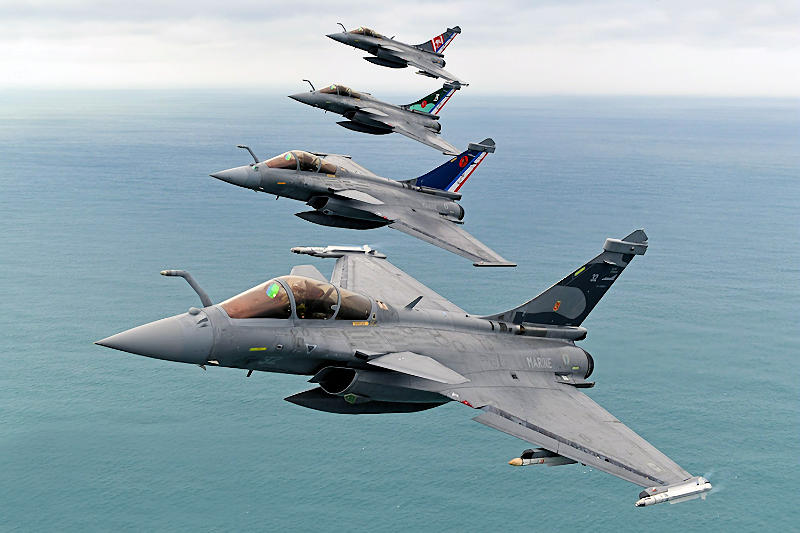
A remarkable aircraft grounded for lack of a part, or deprived of certain munitions, remains recorded in the state’s assets. Its operational value has nonetheless sharply deteriorated. Owning a hundred pieces of equipment does not mean being able to deploy them all at once. Being able to use them once does not mean being able to do it again.
The picture of military assets must therefore be supplemented by an analysis of their availability, their logistical depth, and their regeneration capacity. The cost of a military system does not lie only in what must be bought. It includes what must continue to be funded for the equipment to remain a capability.
Even when it does not fly, a Rafale is never free.
Every capability transforms the system
The shift from stockpile to flow is not simply about producing more of what one already owns. It requires understanding how a new capability changes the conditions under which all the others can be used.
When a cheap drone allows near-permanent observation of an area, concentrations of forces become riskier. Units must disperse, conceal themselves and move more frequently. This dispersal increases the need for communication, logistics and coordination. It also restores value to older functions: crossing obstacles, mine clearance, fortification, route repair and position protection.
The return of combat engineering to the forefront is thus not a nostalgic curiosity. It follows from the transformation of the battlefield. Without the ability to cross an obstacle, without a passable route, or without a protected position, the most recent technology can become unusable. Contemporary warfare thus combines drones, artificial intelligence and space assets with far more rudimentary needs: digging, repairing, transporting, and continuing to move under threat.
Every new capability therefore generates spending around it. When these consequences are not thought through from the outset, their cost appears later in the form of an emergency. The equipment has been bought, but the conditions for its use have not been funded at the same pace. The lack of coordination then produces delays, cost overruns, and sometimes the partial unavailability of capabilities that have nonetheless already been paid for.
The Cour des comptes (France’s national audit office) reaches a fairly similar conclusion in its report on strategic anticipation and foresight at the Ministry of the Armed Forces.[02] It describes a dynamic function, fed by numerous actors, bodies and studies, but notes governance that remains insufficiently coherent, a profusion of deliverables whose effect on decision-making is difficult to assess, and interministerial coordination that still needs strengthening.
It is therefore not necessarily reflection that is lacking. It is the moment when that reflection becomes a vision, then a decision-making architecture, and a hierarchy of funding.
More drones are needed, space capabilities must be strengthened, stockpiles increased, artificial intelligence developed, the condition of service members improved, reserves expanded, and new European programs built. Taken separately, these objectives can all be valid. The difficulty begins when they must be funded and made compatible with one another. Each priority absorbs funding, skills, industrial time and management capacity.
Without trade-offs, a growing budget can mask a scattering of resources rather than a genuine buildup of strength.
Producing more means financing differently
The shift from stockpile to flow immediately transforms the industrial question. It is no longer enough to buy a piece of equipment and then maintain its supply chain at the minimum level required. Production rates must be capable of increasing, supply chains secured, equipment adapted, and stockpiles replenished after they are consumed.
Emmanuel Macron is now asking manufacturers to produce faster and take on more risk, including without waiting for all orders to be secured. The idea may seem reasonable. When a munition can only be delivered several years after it is ordered, the industrial response arrives too late to address the need that triggered it.
But producing ahead of the order is, first and foremost, a financial choice. Raw materials must be bought, work in progress financed, staff recruited and trained, machinery invested in, and suppliers secured — all before the corresponding revenue has been earned. A large group with a deep order book and export outlets can absorb part of this risk. For a small or medium-sized enterprise dependent on a handful of clients, it can threaten its ability to keep operating at all.
Asking manufacturers to anticipate demand therefore requires deciding who will bear the risk. The state can provide advances, guarantee volumes, facilitate the financing of capacity, or agree to pay the price of industrial readiness. Prime contractors can give visibility to their subcontractors. Shareholders can commit equity. Banks can finance working-capital needs.
The risk does not disappear. Pushing it onto the most fragile suppliers only increases the likelihood that a failure will occur exactly when the capability becomes necessary.
This is also the point at which JPMorgan stops being a subject external to defense.[05] The American bank has extended its Security and Resiliency Initiative to Europe, targeting in particular supply chains, advanced manufacturing, defense, aerospace, energy and strategic technologies.
This capital can modernize production tools and finance growth. But it also changes the system of dependencies. A company can produce in France while depending, for its scaling up, on decisions made elsewhere. An industry can be technologically sovereign and financially vulnerable.
Sovereignty therefore does not depend only on where the factories are located or the nationality of the engineers. It also depends on the structure of capital, the conditions of access to credit, and who will organize the sector’s consolidations tomorrow.
Europlasma: a strategic capability without a strategic model
The Europlasma case gives concrete shape to this difficulty.
It would be too simple to reduce it to the story of a financial fund that destroyed perfectly healthy industrial sites. The companies taken over were already fragile, often loss-making, and alternative solutions were sometimes limited. Without a buyer, some sites would probably have closed sooner. That does not prevent us from questioning the nature of the financing used and its ability to sustainably support heavy industry.
Europlasma has for several years relied on convertible bond financing. In April 2024, the group notably put in place financing of up to €30 million in the form of OCABSA (bonds convertible into new or existing shares with share warrants attached), itself indicating potential dilution of more than 99% of its capital. New drawdowns were made again in 2026. These instruments can give rapid access to liquidity. They do not, however, replace stable industrial equity, an efficient production tool, or an investment strategy.
The Forges de Tarbes illustrate the contradiction. The site occupies a particular position in French manufacturing of 155-millimeter shell bodies. Its strategic importance, however, is not enough on its own to guarantee its production capacity.
The situation has evolved: at the end of 2025, KNDS France renewed its commitment to the Forges through a multi-year contract covering 2026-2028. Commercial visibility therefore exists more than before. But an order alone does not produce shells. It requires available machinery, skills, raw materials, investment, working capital, and governance capable of turning an order book into reliable deliveries.
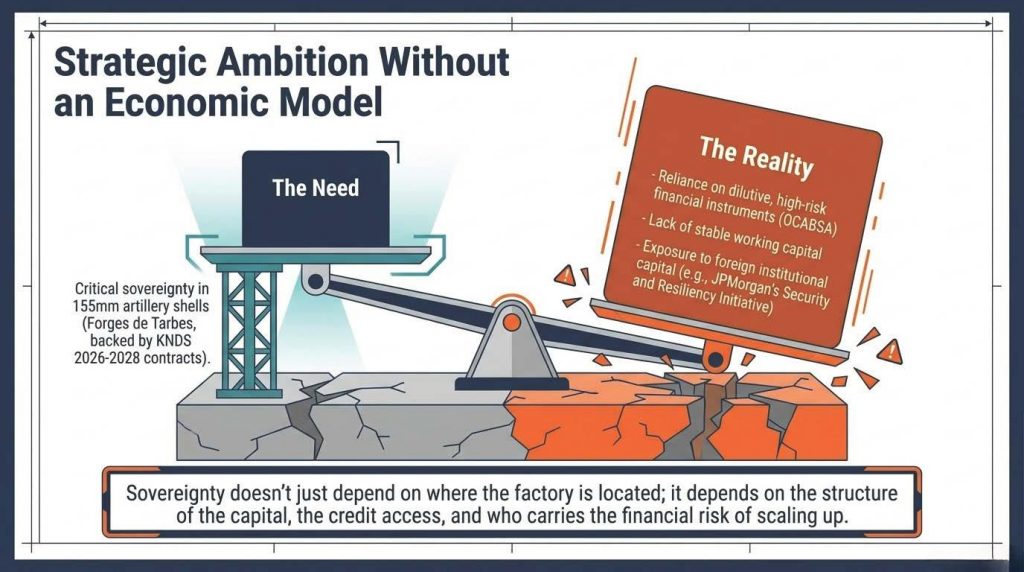
The case becomes even more interesting once orders exist: it makes it possible to distinguish the commercial problem from the industrial and financial one.
The debate easily reduces to two narratives. In the first, predatory financing used industrial patriotism to artificially prolong doomed companies. In the second, an investor saved abandoned sites and preserved capabilities that no one else was willing to take on.
Each of these narratives may contain a share of truth. They both avoid, however, the central question: why does a capability presented as strategic not have an economic and financial model matching its strategic importance?
If the Forges de Tarbes are indispensable to French military autonomy, their future cannot depend solely on a succession of dilutive financings, court decisions, one-off aid, or industrial promises. Public procurement is necessary. It is not sufficient if it is not linked to investment, to financing the production cycle, to modernizing the tools, and to an explicit sharing of risk.
The absence of a real choice is not neutral. The state can pay to support a takeover, pay to deal with the social consequences, and then pay to import the products the site fails to supply. If the capability disappears, it may eventually have to pay a much higher price to rebuild an equivalent industrial base.
Europlasma therefore does not merely tell the story of the limits of a financial arrangement. The case shows what happens when an ambition of sovereignty is not connected to a coherent industrial and financial architecture.
A legal takeover decision can preserve a company. It does not, on its own, rebuild an industrial capability.
Two timescales of war
The war in Ukraine also imposes a far shorter loop between user, designer and manufacturer. When a jamming system reduces a drone’s effectiveness, the response cannot wait for a new procurement program. Frequencies, software, components or doctrine of use must be changed within days or weeks.
Value no longer lies only in the object delivered. It also lies in the loop that makes it possible to observe how it is used, gather feedback from the field, adapt it, and put it back into service quickly.
Europe is helping fund this ramp-up. The paradox is that it is supporting, in its partner, an industrial agility it still struggles to organize in its own procedures. This is not about copying a model produced by an existential war, nor about pitting cheap drones against heavy platforms.
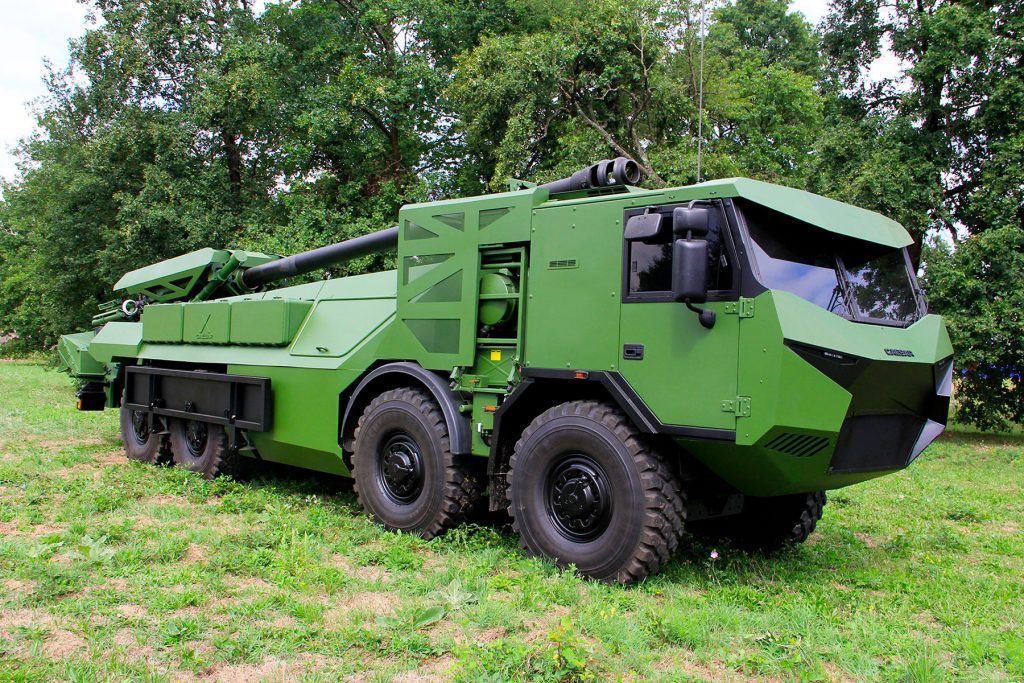
Combat aircraft, frigates, armored vehicles and the aircraft carrier fulfill functions that no light piece of equipment can take on alone. But they can no longer be designed as closed architectures.
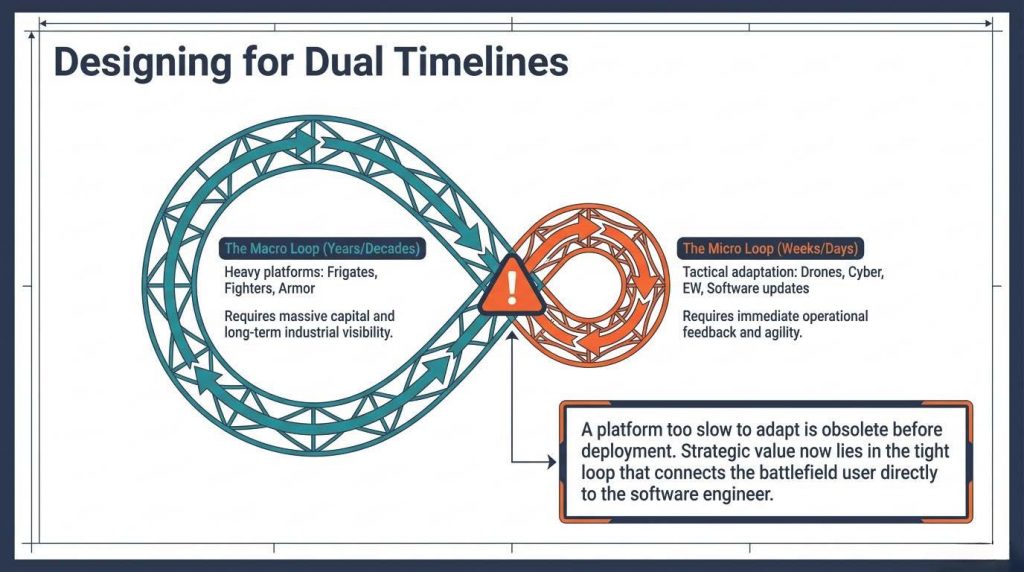
A modern defense system must combine two timescales: that of major platforms designed over several years, and that of electronic, software or tactical developments sometimes measured in weeks. A program that moves too slowly can be overtaken before it is even deployed. The state then funds its development, and then its adaptation as soon as it enters service.
The risk is not continuing to fund heavy equipment. It is funding it without planning for the adaptation loops on which its effectiveness now depends.
Dependencies hide in the interfaces
Sovereignty is often assessed through the major pieces of equipment that make it visible. Yet it is frequently lost in a component, a supplier, or a piece of infrastructure for which no one truly held overall responsibility.
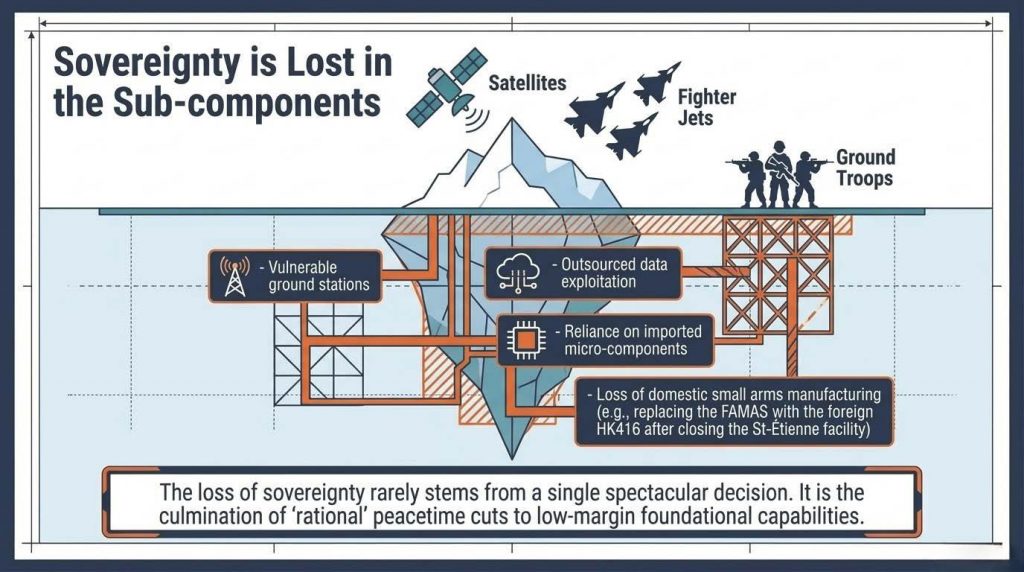
Space illustrates this well. The Rafale, the drone, the ground unit and the chain of command depend on largely space-based capabilities for observation, navigation, transmission and synchronization. It is therefore not enough to fund a satellite. Ground stations must be protected, communications secured, network resilience ensured, and the skills needed to exploit the data retained.
A technically high-performing space capability can become unusable if one of its ground segments is compromised.
The gradual replacement of the FAMAS rifle by the German HK416 provides a more ordinary example. The Manufacture d’armes de Saint-Étienne closed in 2001, and France now shows, according to a recent parliamentary report, a strong dependency in the field of small arms and their ammunition.
The price of a dependency rarely results from a single dramatic decision. It often stems from a succession of seemingly rational trade-offs: closing an unprofitable site, reducing stockpiles, consolidating suppliers, outsourcing an activity, or abandoning a skill.
War then turns these old savings into an immediate bill. One must buy abroad, accept the supplier’s delays, absorb higher prices, or rebuild an industry whose skills and machinery have disappeared.
The cost of poorly governed cooperation
This reading brings us back to the Future Combat Air System (SCAF).[06]
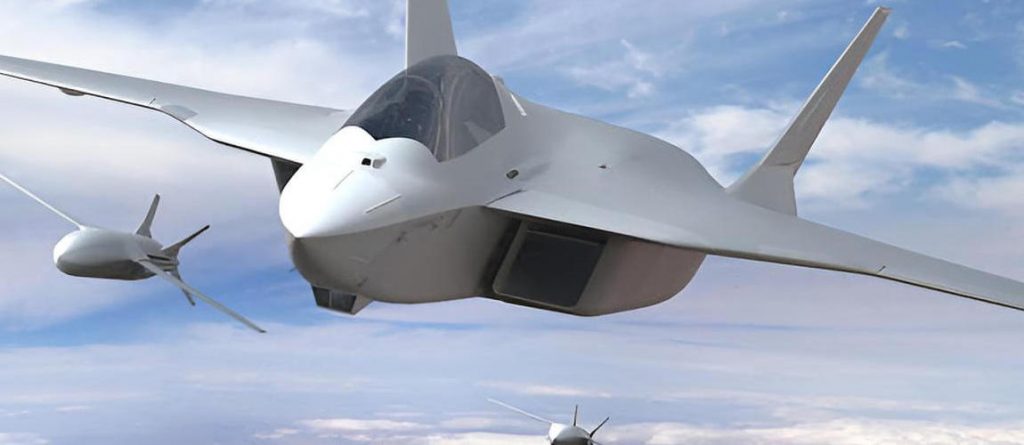
The joint Franco-German-Spanish fighter jet project collapsed over disagreements between Dassault Aviation and Airbus, notably concerning prime contractorship, technology sharing, and intellectual property. Certain building blocks, such as the combat cloud, could nonetheless still be pursued separately.
The skills existed. So did the military need. The desire to pool costs was not absurd. Yet the whole did not hold together.
The project failed precisely where complex systems are often most fragile: at the interfaces. Operational needs, industrial responsibilities, intellectual property and national interests were not sufficiently reconciled.
This failure carries a cost even if some building blocks can be reused. It mobilized studies, teams, political time and industrial expertise. Above all, it delayed clarifying the path that will allow current aircraft to be replaced.
The later the decision comes, the less time remains to develop an alternative solution. Existing platforms must then be extended, their modernization funded, or new studies launched under tighter constraints.
In a deteriorated strategic environment, lost time becomes an expense.
Emmanuel Macron regrets the failure of the SCAF while calling for other European cooperation projects to continue. He calls it absurd for every state to separately accumulate every capability it might need.
There is no contradiction in regretting a European failure while defending other forms of cooperation. Doing so, however, requires identifying the causes of the previous failure and specifying what will change. Cooperation that reproduces the same governance ambiguities does not necessarily pool costs. It can shift them and lengthen delays.
The issue, then, is not choosing between national sovereignty and Europe. Simply put, not every form of cooperation requires the same degree of integration.
Cooperation becomes strategic when it delivers more speed, mass, interoperability, resilience or autonomy. It loses its value when it durably increases coordination costs without allowing clear responsibility to be identified.
The human cost of the military model
The same logic applies to personnel.
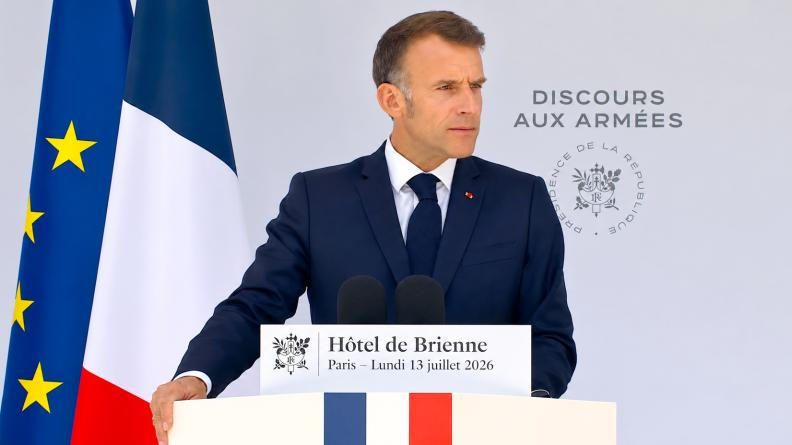
The July 13 address explicitly linked the condition of service members to rearmament: pay, housing, the situation of families, support for the wounded, and the future integration of part of their bonuses into pension calculations.
These issues are not external to operational capability. An armed force can receive new equipment while losing the people able to operate or maintain it. It can increase its theoretical headcount without retaining the specialists it needs.
Training a pilot, a mechanic, a cyber expert or an intelligence specialist represents a considerable investment. When that person leaves the institution, recruiting a replacement does not immediately restore the lost expertise. Housing, mobility, pensions, healthcare and support for families are therefore part of the full cost of the military model.
An additional aircraft does not increase available power if no crew can operate it.

The return of national service must be viewed through the same lens. Having belonged to one of the last conscript classes myself, I am wary of the nostalgia that now surrounds military service. My posting to the armed forces’ general staff was an interes-ting one. But it owed a great deal to my prior familiarity with the institution.
Without a suitable posting, a graduate with a master’s-level degree could easily end up in a barracks that no longer had the means to give him any useful activity.
Jérôme Denariez — Photo © All Rights Reserved
The system was far from equitable. Available skills were not always used, and units did not necessarily have the resources needed to occupy every conscript.
Welcoming new young people requires selecting them, housing them, feeding them, equipping them, training them and supervising them. This draws on experienced service members, who then have less time to devote to their own operational readiness.
National service will therefore only become a genuine capability if its objective, its resources, and its coordination with the reserves are precisely defined.
The new state-of-alert regime raises a comparable question. A notification without collective preparation produces nothing but information. Training without a doctrine of use risks becoming an administrative occupation for young people.
National service, the reserves and alert systems can together contribute to a culture of crisis-readiness. They can also become parallel schemes, each with its own budget and its own communications, without producing any collective coherence.
Coordination is what turns spending into capability.
Power as absorption capacity
France will probably need to devote more resources to its defense. Stockpiles must be rebuilt, space, cyber and industrial capabilities strengthened, and Europeans must take on a greater share of their own security.
But defense spending does not vanish from the rest of the public accounts. It increases the state’s financing needs, or forces cuts elsewhere, higher taxes, or delays in addressing other vulnerabilities.
The percentage of gross domestic product devoted to defense measures a general effort. It says nothing about how that effort is financed, what spending it replaces, or what it actually produces. It does not say whether equipment is available, whether munitions can be produced, whether suppliers have the cash flow they need, or whether personnel stay in the armed forces.
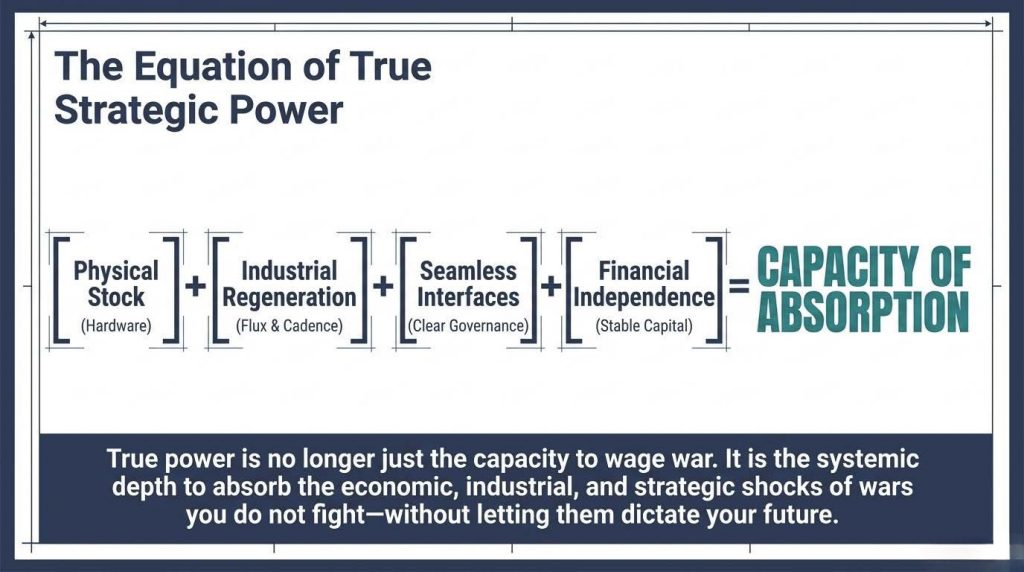
Production rates, replacement capacity, retention of skills, control over dependencies and logistical depth are more direct indicators of power.
The question, then, is not only how much France spends on its defense, but what real capability it gets in return, and how many times it must pay to obtain it.
The war in Ukraine is already costing France, even though it is not directly involved in the fighting. It costs through the economic disruptions that must be absorbed, the support given to households and businesses, the equipment transferred, the stockpiles that must be rebuilt, and the industries that must be restored to production capacity. It also costs because it reveals that savings made in peacetime corresponded to capabilities that must now be rebuilt at a much higher price.
But this bill also depends on the position the country occupies within the economic and strategic system.
A complete power does not escape the consequences of a war. It has more resources to protect its supply chains, finance its adaptation, and capture part of the value created by the response to the shock.
France remains a major military and diplomatic power. But the incompleteness of its productive, energy, financial and technological apparatus limits its capacity to absorb conflicts it is not fighting. It retains capabilities of a very high level, but not always the depth needed to sustain them without depending on decisions made elsewhere.
It is this discontinuity that makes war more expensive
Funding an aircraft without its munitions, a factory without the capital needed for its orders, a satellite without protection for its ground infrastructure, a partnership without clear prime contractorship, or national service without a doctrine of use does not produce a complete capability. It produces expenses whose interfaces will still need to be funded later.
A credible defense will always retain some apparent inefficiency. It requires stockpiles that do not turn over, redundant infrastructure, available industrial capacity, and troops trained for engagements one hopes to avoid.
This cost is not an accident of defense policy. It is an essential part of it.
A Rafale is never free — not because one merely needs to add up its purchase price, its maintenance, and its weapons, but because using it requires the continuity of an entire system: doctrine, industry, infrastructure, financing, data, skills and personnel.
France is already paying the price of wars in which it does not directly take part.
Real power may ultimately be measured by its capacity to prevent that bill from dictating, in its place, its economic, industrial and political choices.
Jérôme Denariez
[*] Jérôme Denariez is a chief financial officer and former financial auditor specializing in the transformation, restructuring, and crisis management of small and medium-sized enterprises (SMEs) and mid-sized companies. A participant in the 88th Economic and Strategic Intelligence session at IHEDN, he will begin the Master’s in Economic Intelligence program at the École de Guerre Économique this fall. His work focuses in particular on the interactions between finance, business, governance, and strategic sovereignty.
[**] Cover photo: Flight demonstration by the Rafale Solo Display at the 55th Paris Air Show — Photo by Dassault Aviation © M. Douhaire.
Main Sources
[01] Presidency of the French Republic and French MoD: Address to the armed forces, July 13, 2026.
[02] Cour des comptes: The Role of Strategic and Forward-Looking Planning at the French Ministry of the Armed Forces.
[03] INSEE: Analyses of the economic consequences of the energy shock and the war in Ukraine.
[04] French National Assembly, Report on France’s military dependencies Europlasma, Regulatory Information and Financial Announcements (2026-0401).
[05] JPMorganChase, Security and Resiliency Initiative.
[06] « The Abandonment of FCAS: Autopsy of an Industrial Dinosaur in the Age of Algorithmic Warfare » — (2026-0703) & « FCAS: The Foretold death of a Franco-German Myth » — (2026-0714) & « Combat Cloud: Are the Dice Already Loaded Ahead of the July 17 Summit? » — (2026-0716).
See also:
- « Le prix que la France paie trois fois » — (2026-0719)
- « The Price France Pays Three Times » — (2026-0719)
- « Der Preis, den Frankreich dreifach zahlt » — (2026-0719)
Decryption: France facing the structural cost of war
What Jérôme Denariez demonstrates goes beyond the single case of the Rafale: it is a shift in the very framework used to assess power. Counting stockpiles — aircraft, armored vehicles, munitions — is no longer enough to measure real military capability; what now matters is the capacity to turn that stock into a continuous flow, to produce, repair and replace over time, under strain. And this is precisely where France is exposed: a defense industry at the technological cutting edge, yet fragmented and undercapitalized at critical links, as the Europlasma and Forges de Tarbes cases starkly illustrate.
The “three payments” mechanism the author describes — at abandonment, at reconstruction, then at incompleteness — is not unique to the powder or munitions sector. The same dynamic is likely to recur elsewhere: electronic components, rare earths, space capabilities, industrial cybersecurity. Whenever a capability is declared strategic without a coherent economic model to back it, the bill does not disappear — it simply shifts in time, and grows heavier along the way.
The real question this article raises for the months ahead is therefore not only budgetary: it is whether France, and Europe more broadly, will be able to identify these weak links before the next crisis rather than after — while there is still a choice about where to invest, rather than discovering the dependency at the moment it costs the most.
戦争の構造的コストに直面するフランス
ジェローム・デナリエが示すことは、ラファール戦闘機という単一の事例にとどまらない。それは、軍事力そのものを評価するための枠組みの変化である。航空機、装甲車、弾薬といった備蓄量を数えるだけでは、もはや実際の軍事能力を測るには不十分だ。今や重要なのは、その備蓄を継続的な供給へと転換し、厳しい状況下でも長期にわたり生産、修理、交換を継続する能力である。しかし、まさにそこにフランスの弱点が露呈している。防衛産業は技術的には最先端にあるものの、ユーロプラズマやタルブ鋳造所の事例が如実に示すように、重要な分野において分断化が進み、資本不足に陥っているのだ。
著者が記述する「3つの支払い」というメカニズム――放棄、再建、そして不完全――は、火薬や弾薬の分野に限ったことではない。電子部品、希土類、宇宙技術、産業用サイバーセキュリティなど、他の分野でも同様の動態が見られる可能性が高い。ある能力が戦略的であると宣言されるたびに、それに伴う首尾一貫した経済モデルが伴わなければ、その代償は消えるわけではなく、単に時間的に先送りされるだけであり、その過程でさらに重くなるのである。
したがって、本記事が今後数ヶ月に向けて投げかける真の課題は、単に予算上の問題にとどまらない。それは、フランス、ひいては欧州全体が、次の危機が起きてからではなく、その前に――つまり、どこに投資すべきかを選択できるうちに――こうした脆弱な部分を特定できるかどうか、つまり、依存関係が最も大きな代償を伴う事態になって初めてその存在に気づくのではなく、事前に把握できるかどうかという点にある。