In ‘The Price France Pays Three Times Over,’ Jérôme Denariez proposed shifting how military power is measured: no longer sticking to the visible stock of equipment, but looking instead at the industrial, financial and human architecture that makes it possible to produce, maintain and replace it. French frigates appeared there as a positive counter-example: when doctrine of use, prime contractorship, national orders and exports come together over time, a sovereign capability can be preserved!
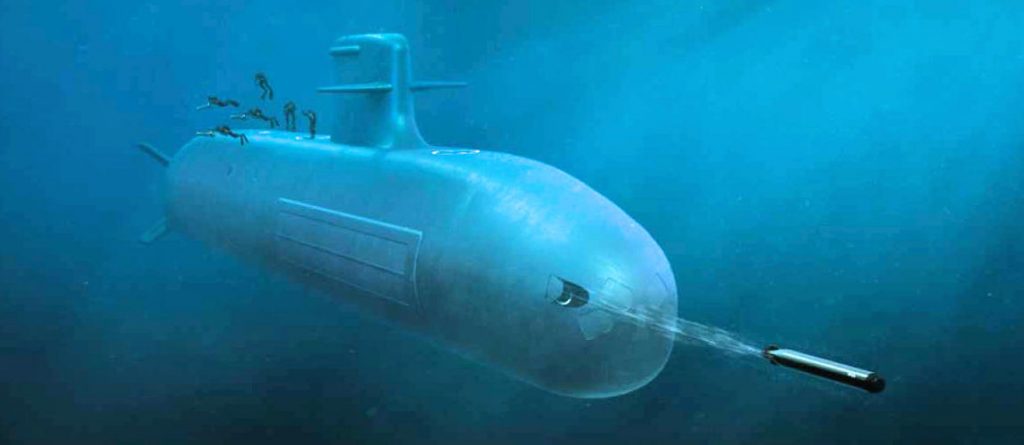
Yet this counter-example called for a sequel. Submarines rest on an equally demanding industrial base, but their export trajectories are far more unstable. These gaps owe less to the technical quality of the platforms than to geopolitical arbitrations that no shipyard fully controls.
Digging into this gap, against a backdrop in which many navies are accelerating their rearmament (long-range missiles, air defence, drones, electronic warfare), a broader observation forces itself on us. It is not just the frigate or submarine market that is evolving, but the whole of global military shipbuilding that is being recomposed.
Behind the rivalry between frigate models lies, in fact, a deeper transformation: an unfinished consolidation in Europe, American difficulties with its own flagship programme, South Korea’s rise, and navies without a conventional fleet searching for new ways to generate naval effects.
Three Threads to Follow
To follow what comes next, it helps to keep three threads in mind.
- The first is industrial: beyond frigates, which countries still manage to hold doctrine, prime contractorship and exports together over time — and which ones keep failing to, as the United States repeatedly seems to?
- The second is geopolitical: even flawless industry no longer guarantees a market, as shown by French submarines in Australia or Canada, now decided more by alliance than by technical merit.
- The third, finally, is doctrinal: Ukraine proves that naval power can now be built without a fleet at all, through sheer speed of iteration alone — a break that forces us to rethink what it even means to ‘count’ at sea.
These three threads converge on a single question, one this piece tries to document rather than settle: in a world where China launches the equivalent of the French fleet every four years, who will still have the means, tomorrow, to hold all three at once?
Table of Contents
by Joël-François Dumont — Paris, July 24, 2026.
A Narrow Club, Diverging Trajectories
The frigate battle needs to be set in a larger picture. Navies capable of operating on the high seas, far from home, sustainably and across every ocean, can be counted on one hand:
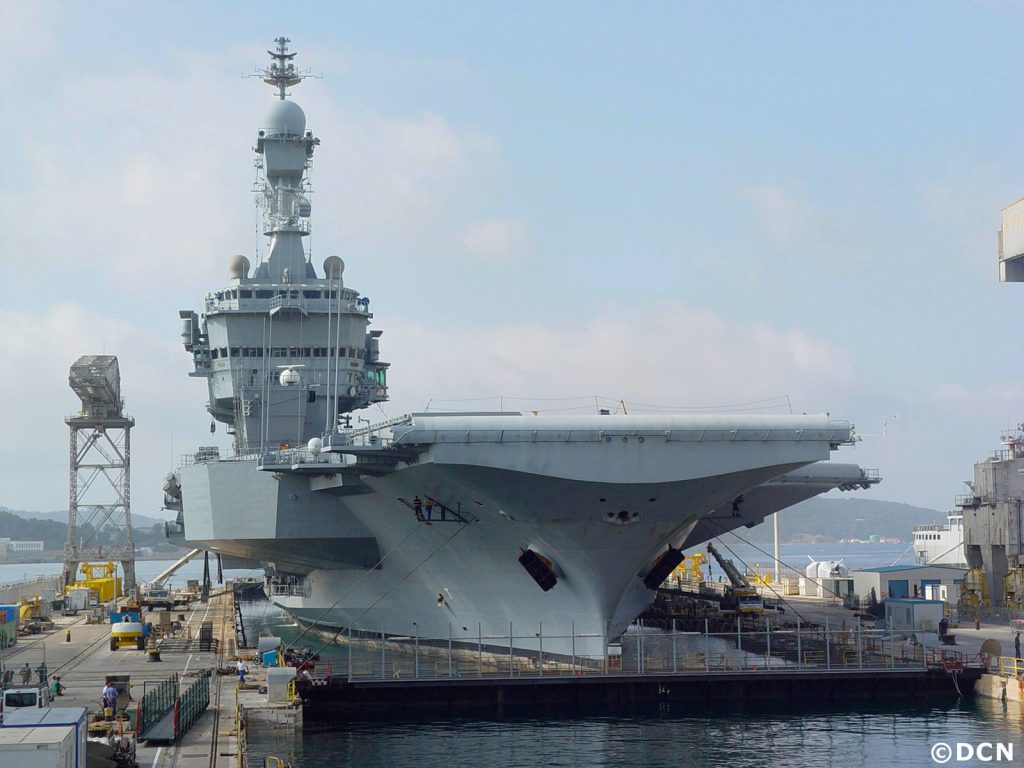
the United States, far ahead of everyone else; France — the only European power to field a nuclear-powered aircraft carrier; a United Kingdom whose deployable surface fleet remains under twenty vessels;[01] and now China, which has joined this circle in barely two decades. Russia, for its part, occupies a category of its own: historically present, it now holds its rank only through submarines, as we shall see below.
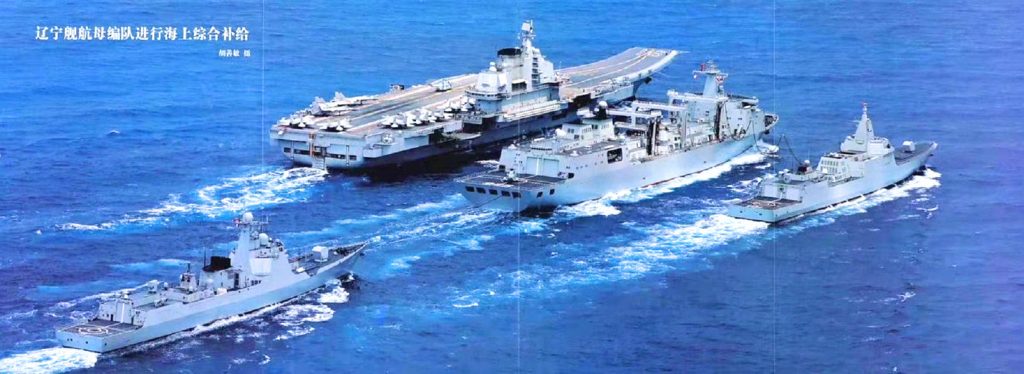
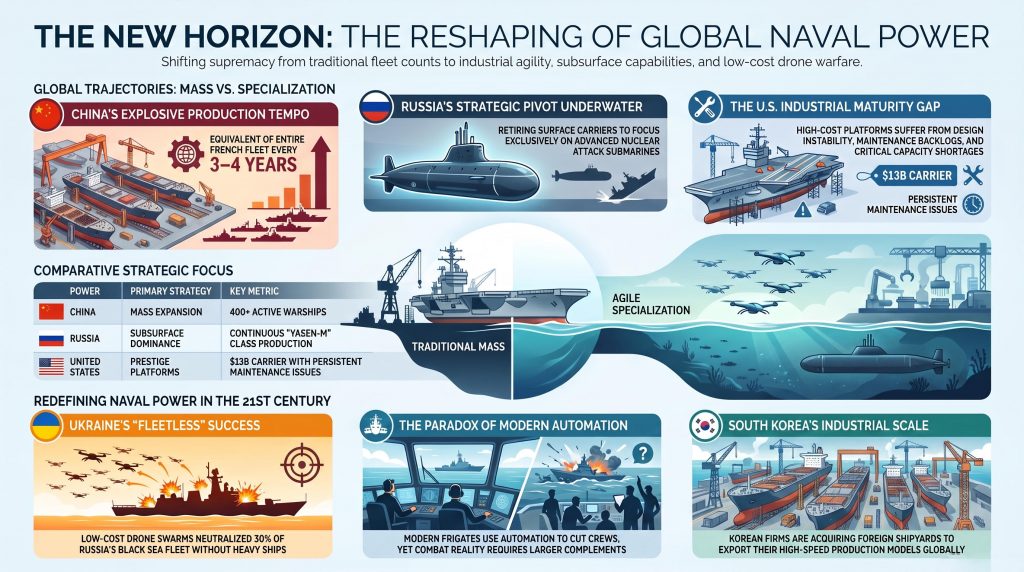
The most spectacular transformation of the past decade remains China’s. According to Admiral Christophe Prazuck, then chief of staff of the French Navy, Chinese shipyards long launched the tonnage equivalent of the entire French fleet every four years.[02]

His successor, Admiral Pierre Vandier, cited an even faster pace in 2021 — three years — before official 2022 US data confirmed a slightly less dizzying, but still unmatched, tempo.[03] With more than 400 active vessels today, the Chinese navy is, by number, the largest war fleet in the world [04] — a shift that alone redefines every recomposition calculation discussed below.
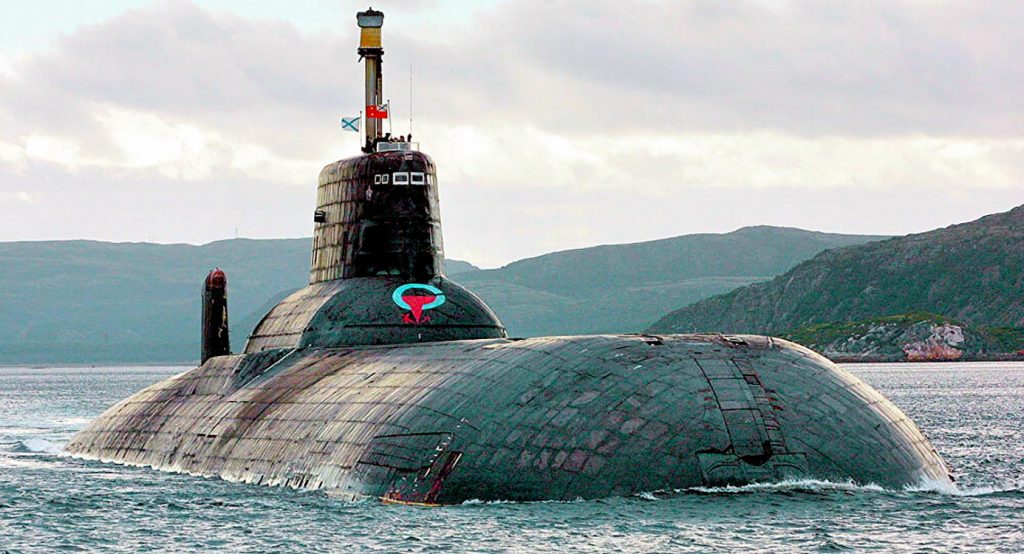
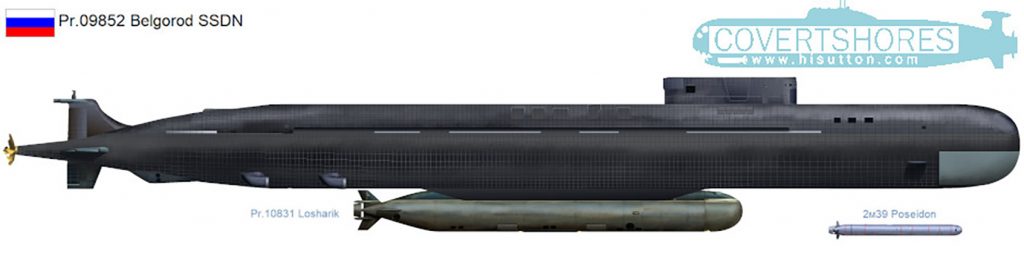
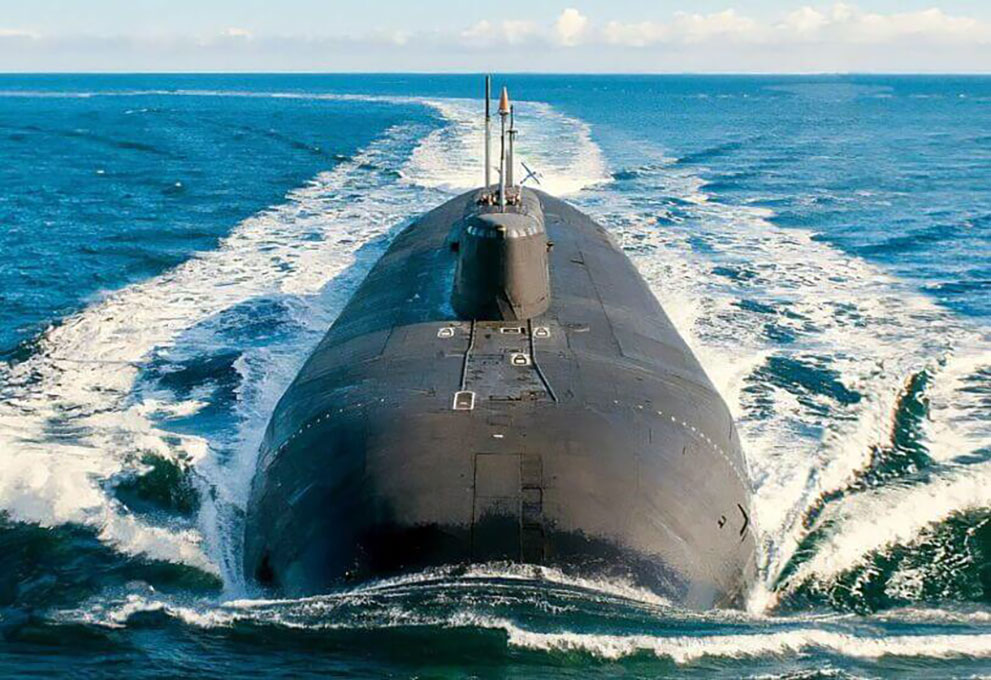
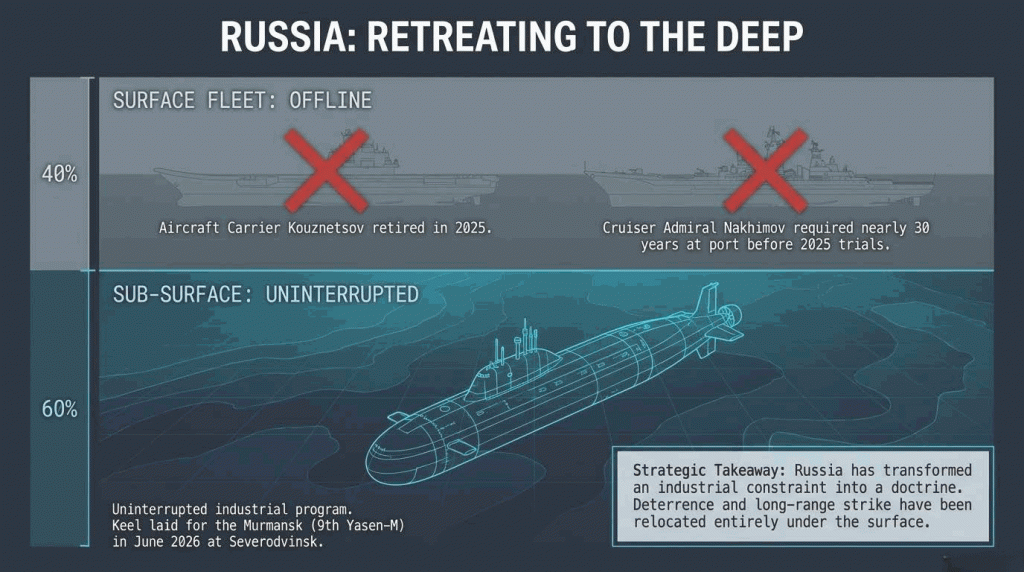
Russia illustrates the opposite trajectory: that of a naval power progressively retreating from the surface to take refuge underwater.
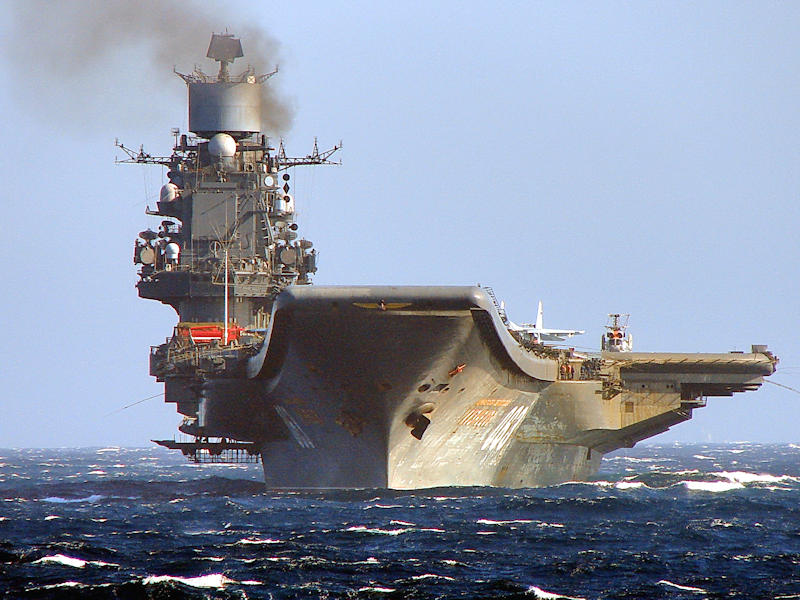
Its sole aircraft carrier, the Kuznetsov, was decommissioned in 2025,[05] and its nuclear cruiser Admiral Nakhimov only put to sea for initial trials in August 2025, after nearly three decades at the dock.[06]
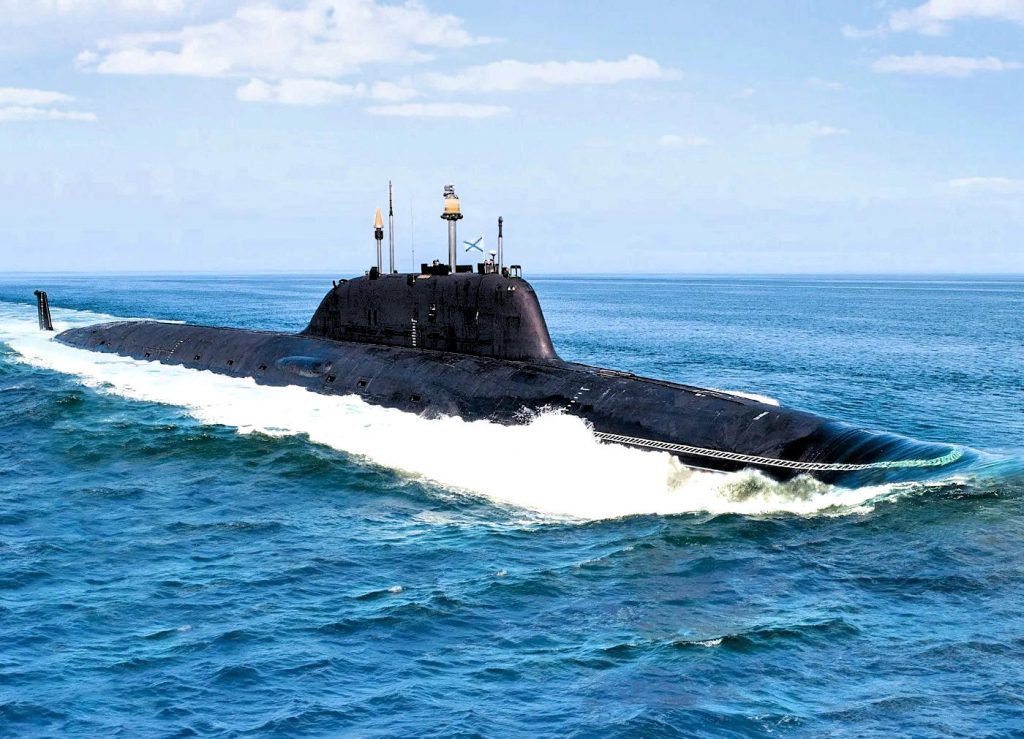
Its submarine fleet, by contrast, remains the one area where the industrial programme has never stopped: on 17 June 2026, the Severodvinsk shipyard laid the keel of the Murmansk, the ninth Yasen-M-class unit.[07] Moscow has, in effect, turned an industrial constraint into doctrine: deterrence and long-range strike now run almost exclusively beneath the surface.
Comparing Across Time: What a Frigate No Longer Tells Us
One must also be wary of blunt comparisons across ship generations. A frigate from thirty years ago and a frigate today share little beyond the name and the silhouette.
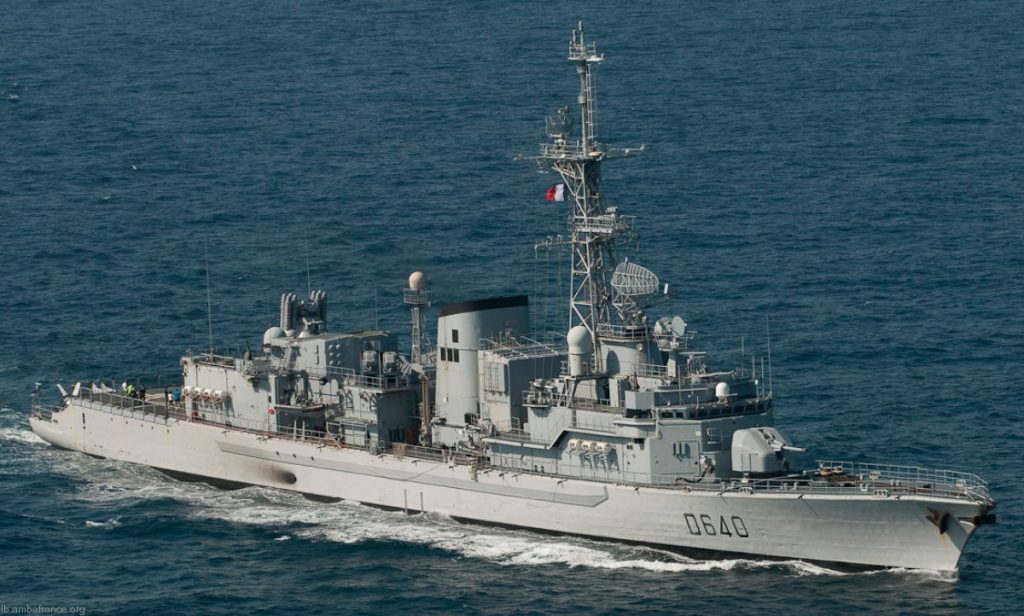
The F70 (Georges Leygues-class) and Cassard frigates that equipped the French Navy in the 1990s carried crews of 200 to 250; the first FREMM frigates, entering service from 2015, carried only 94 excluding the helicopter detachment — more than half as many as their predecessors, thanks to automation.[08]
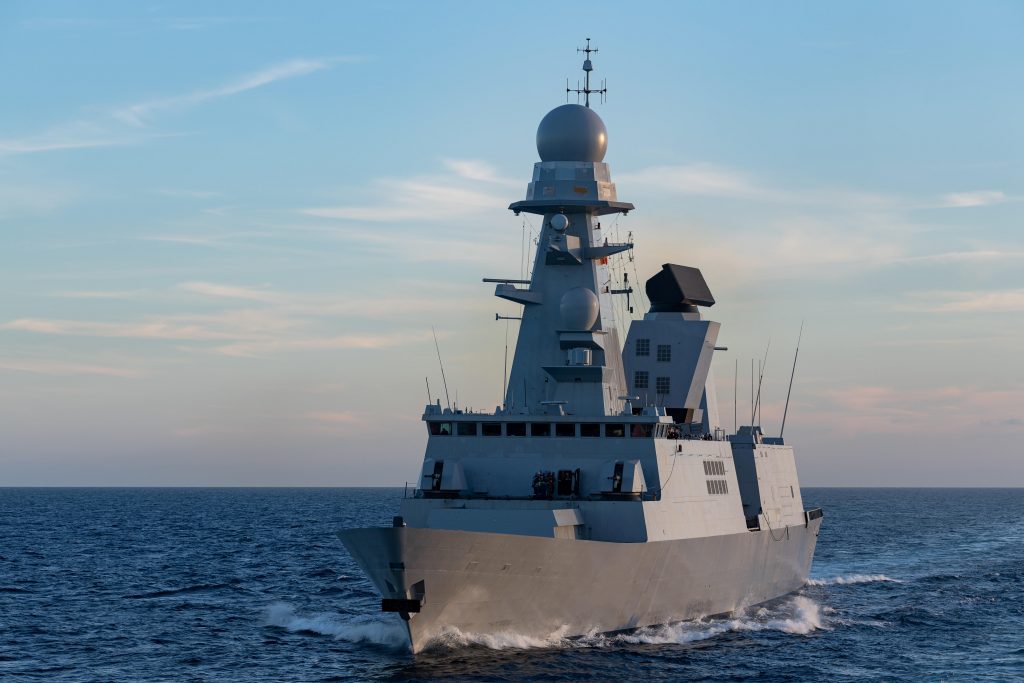
That figure proved insufficient in practice: the French Navy had to revise crew levels upward, with the first six FREMM going from 109 to 136 sailors and the two enhanced air-defence frigates from 118 to 144, as operational theatres under constant threat exposed the limits of the ultra-optimised-crew concept devised in peacetime.[09]
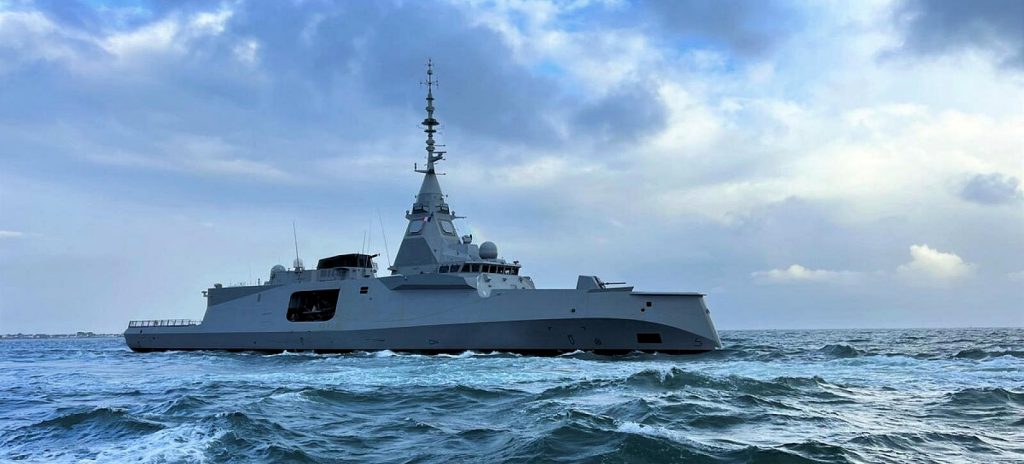
Beyond headcount, weapons, sensors, fire control, and the integration of drones and satellite links have also been transformed from the ground up. Comparing two frigates thirty years apart by missile-tube count or tonnage therefore amounts to measuring objects of a different nature.
The Ukrainian Counter-Model: Power Without a Fleet
The most radical case of this shift remains Ukraine. Stripped of a conventional surface navy after losing its warships in 2014 and again in 2022,[10] Kyiv built its naval power on swarms of low-cost maritime drones rather than heavy platforms — the exact reverse of the French model described above. The result has exceeded expectations: by early 2026, an estimated 30% of Russia’s Black Sea fleet had been destroyed or damaged since the start of the conflict,[11] forcing Moscow to redeploy most of its units far from Sevastopol.
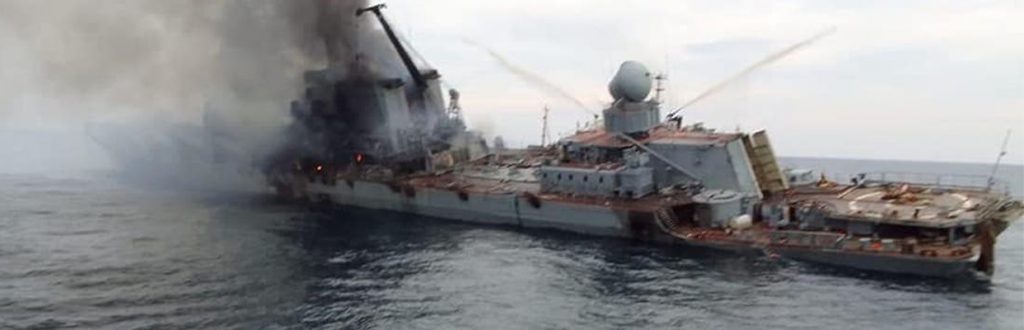
In December 2025, a Ukrainian underwater drone even struck a docked Russian submarine at Novorossiysk — a first in naval history.[12] In mid-July 2026, Ukraine’s ‘MoLoChKa’ operation claimed 136 Russian vessels hit in ten days across the Black Sea and the Sea of Azov.[13] Ukraine has never had, and is unlikely to have anytime soon, a first-rank frigate. Yet it illustrates, in almost pure form, the thesis Jérôme Denariez advances regarding the Rafale and the return of ingenuity:[14]
naval power no longer resides solely in tonnage owned, but in the ability to evolve, on a weekly cycle, a fleet of cheap systems — while the adversary remains a prisoner of its own stock.
A European Consolidation, Under Way, Never Completed
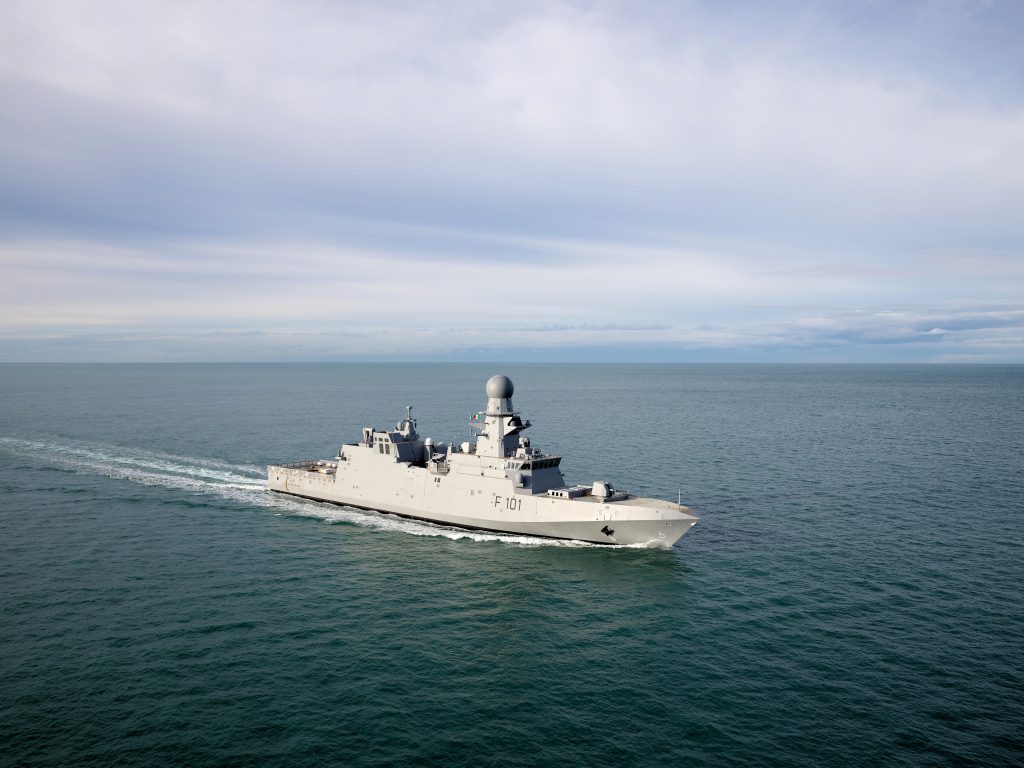
Naval Group and Fincantieri set up the Naviris joint venture as early as 2019, with the stated ambition of building a more efficient, more export-competitive European naval industry.[15] Since then, broader talks involving Germany’s TKMS (Thyssenkrupp Marine Systems) and Sweden’s Saab have regularly resurfaced without ever reaching a conclusion.[16]
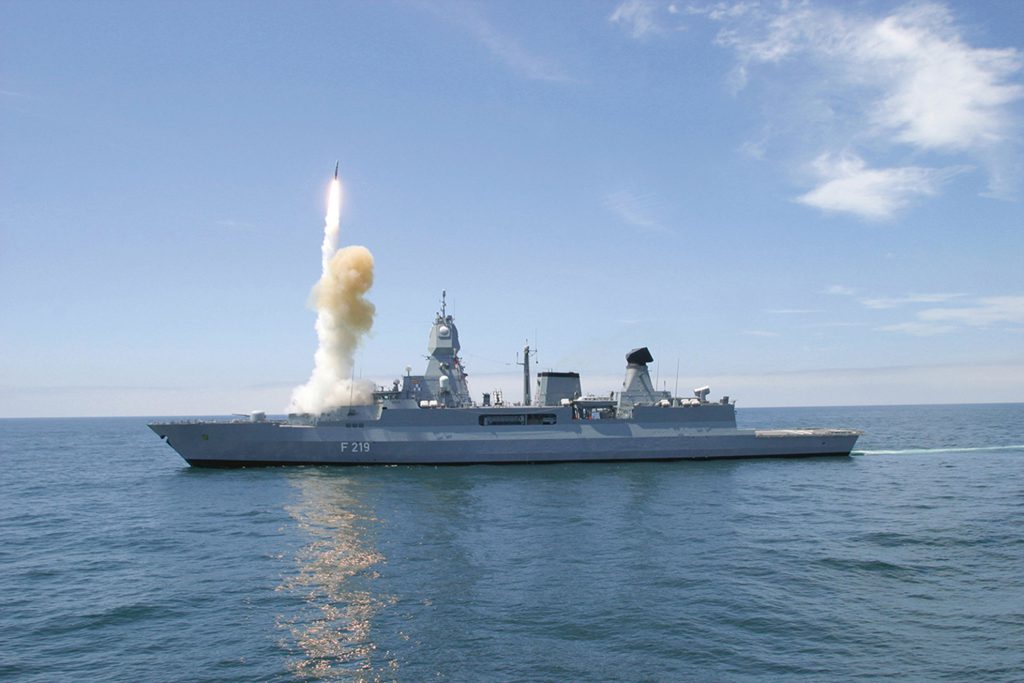
The stalemate echoes, at bottom, that of the SCAF fighter jet programme: each potential partner guards its prime contractorship and its sensitive technologies, which limits consolidation to targeted joint ventures rather than genuine industrial integration.
America’s Great Divide
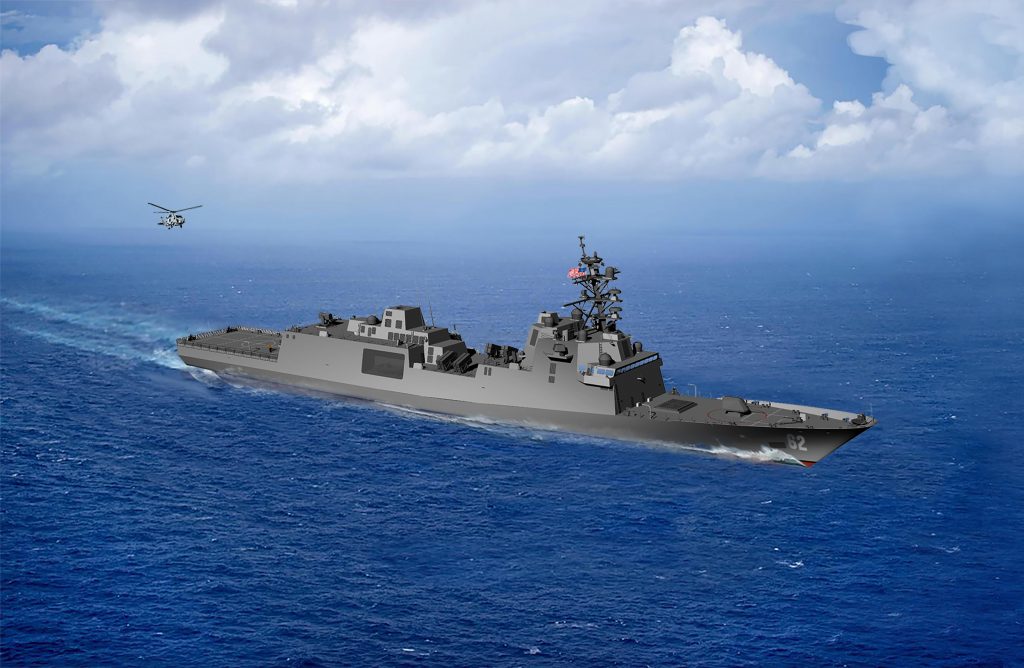
The case of the Constellation-class frigate programme, run by Fincantieri for the US Navy, offers a first instructive mirror. In late 2025, the US Navy and the shipbuilder were forced to redefine the programme, with the Navy terminating the contract for four of the six frigates then under construction at the Wisconsin yard,[17] owing to accumulated delays — delays themselves caused by repeated design-change requests mid-programme. This is, almost point for point, the reverse of what gives the French-Italian-Korean model its strength: a mature, stabilised design before series production begins.
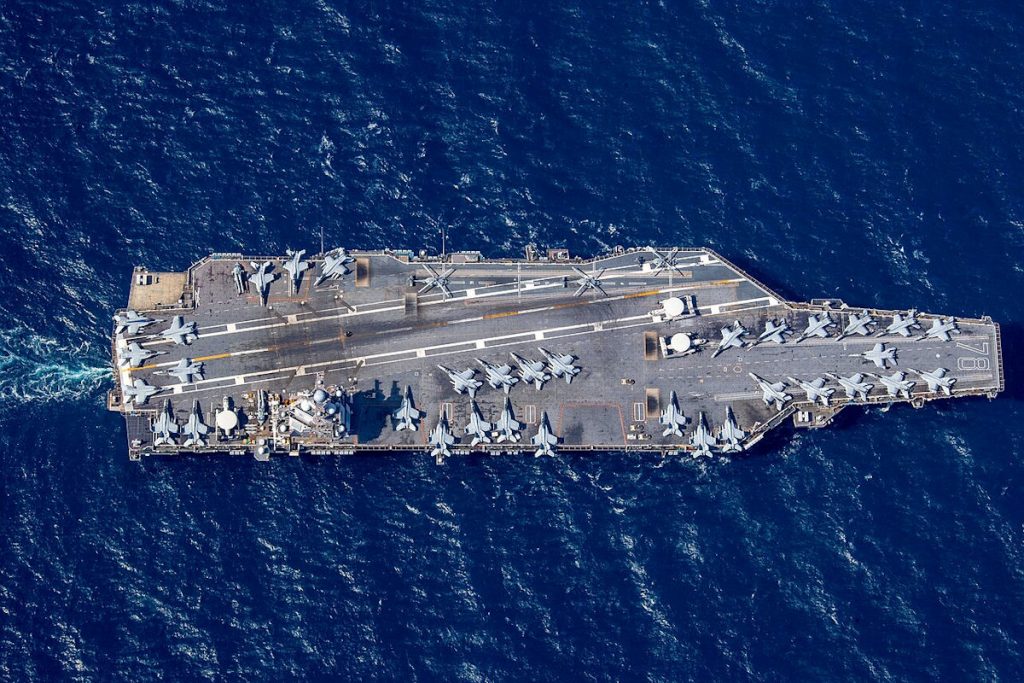
The American paradox also lodges itself, more prosaically, in the most trivial of details. The aircraft carrier USS Gerald R. Ford, the US Navy’s $13 billion flagship, has been plagued since commissioning by recurring failures of its vacuum sanitary system, to the point that crew members regularly have to queue for the toilets during extended deployments; each unclogging requires an acid cleaning costing roughly $400,000 and can only be done in port.[18] The episode, widely covered by the American press in early 2026 while the carrier was engaged in sensitive operations, illustrates in its own way what Denariez writes about the Rafale:
a platform’s displayed power says nothing about its real availability if one ignores what keeps it running day to day.
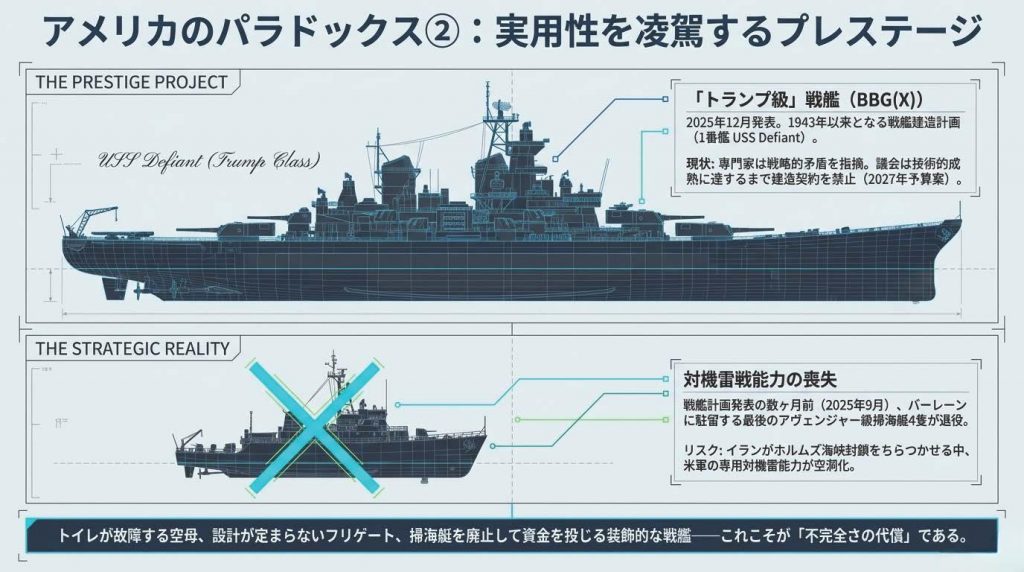
America’s great divide extends into one final, almost caricatural episode. On 22 December 2025, Donald Trump announced from Mar-a-Lago the creation of a battleship class bearing his own name — the ‘Trump class’ (BBG(X) programme), whose lead ship is to be named USS Defiant: the first battleship class revived since the Montana programme was cancelled in 1943, with the president stating he wanted to personally weigh in on the ships’ aesthetics.[19]

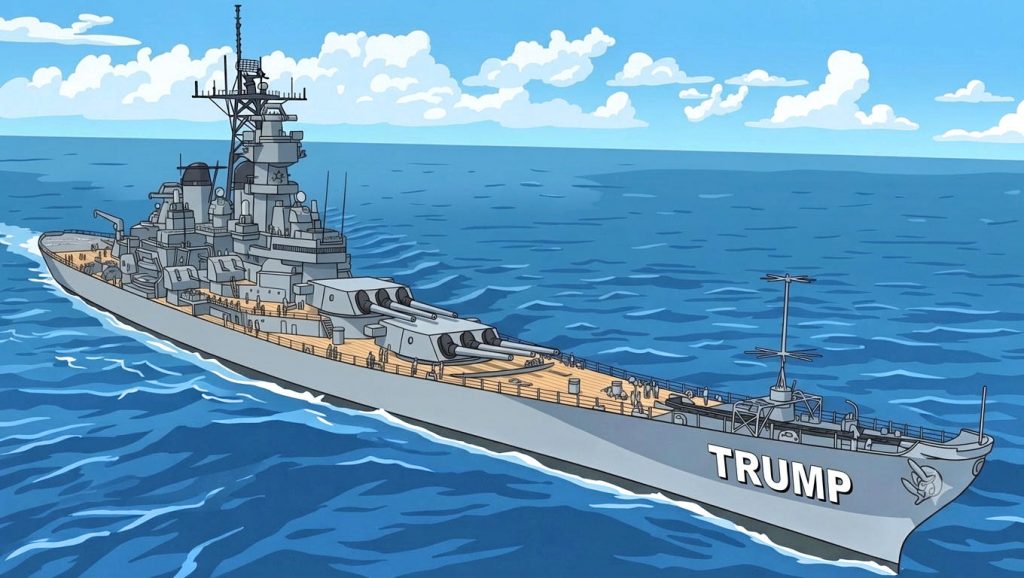
The project immediately drew reservations from experts, who see numerous inconsistencies with the US Navy’s strategic objectives and the real capacity of the American shipbuilding industry.[20] Congress, for its part, remains cautious: the fiscal year 2027 defence authorisation bill bars the Navy from signing any construction contract until the planned weapons systems reach a sufficient level of technological maturity.[21] The paradox is all the more striking given that this prestige project came just months after the US Navy, in September 2025, decommissioned its last four Avenger-class minesweepers stationed in Bahrain — a decision that laid bare America’s lack of a dedicated mine-countermeasures capability just as Iran was threatening to mine the Strait of Hormuz.[22]
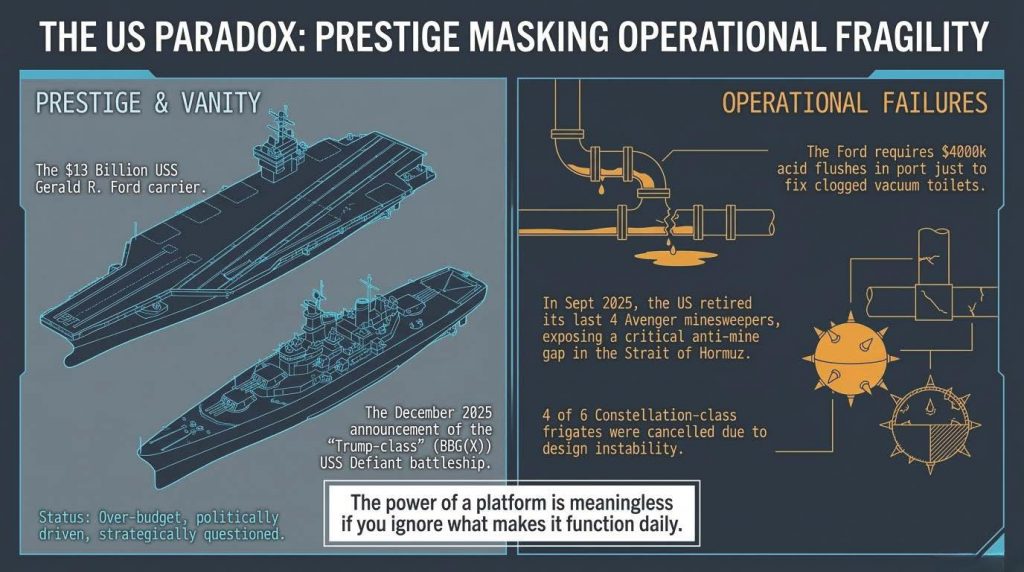
Between an aircraft carrier with broken toilets, frigates whose design never stabilises, and a decorative battleship funded while minesweepers are being scrapped, the US Navy may illustrate, better than anyone, what Denariez calls the price of incompleteness.
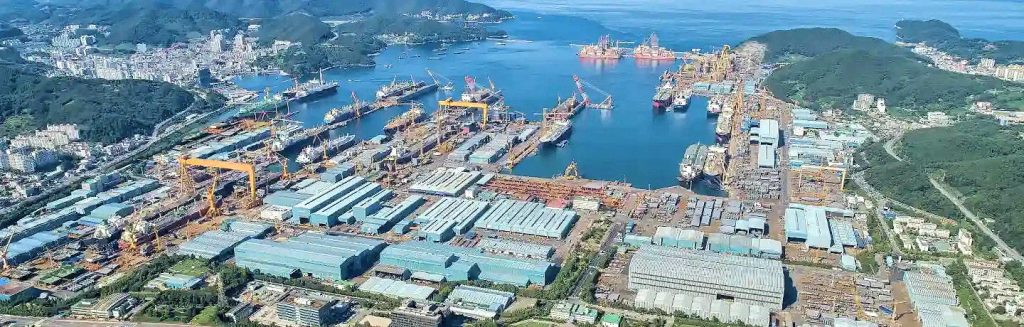
South Korea Changes the Scale
The most significant shift, however, comes from elsewhere: South Korea no longer contents itself with selling ships (frigates to Poland, among others) — it is directly buying up American production capacity, with Hanwha establishing a foothold at the Philly Shipyard in the United States.
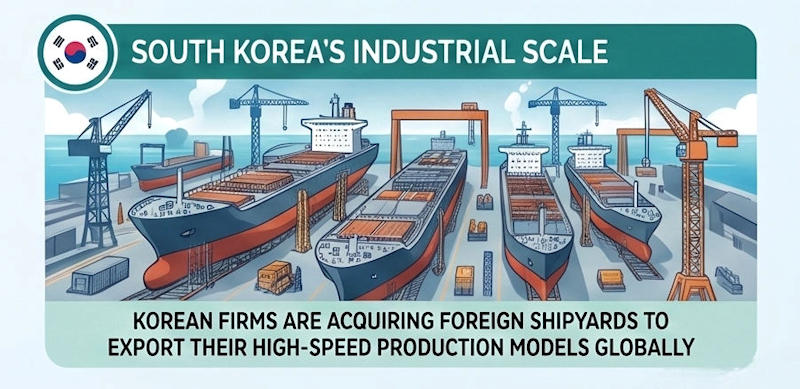
This repositioning comes as Washington launched, in late 2025, an initiative to revive its naval industrial base (‘Golden Fleet’),[23] a sign that the United States itself acknowledges a structural lag behind Korea, Italy and France in mastering build tempo.
What This Means for France
This recomposition is reshuffling the deck faster than the mere commercial rivalry between frigate models would suggest.
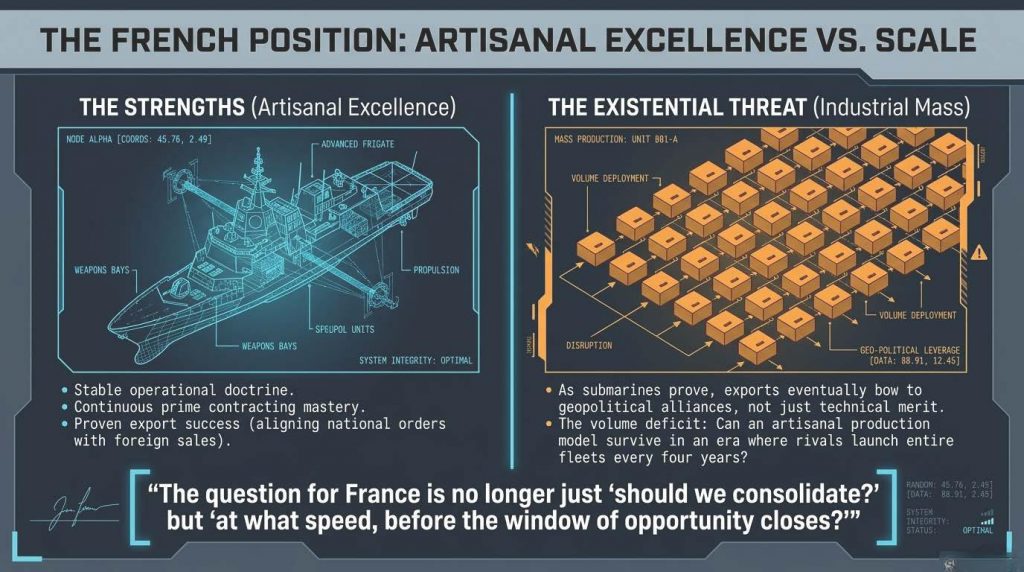
Naval Group and Fincantieri remain technological benchmarks, but now operate against industrial architectures that combine Korean production scale, cross-border acquisition appetite, American political will to rebuild its industrial base at forced speed — and now, the Ukrainian demonstration that a drone swarm can neutralise a conventional fleet without a single frigate ever entering the picture.
The question facing France is therefore no longer simply ‘should we consolidate with Italy and Germany?’ but ‘at what speed, and toward what model of naval power, before other players close the window of opportunity?’
Joël-François Dumont
Notes
[01] The Defense Watch, ‘Top 10 Most Powerful Navies in the World’ (2026); WDMMA (World Directory of Modern Military Warships) rankings.
[02] Admiral Christophe Prazuck, testimony before the French Senate’s Foreign Affairs and Armed Forces Committee, spring 2018, cited by Mer et Marine and by the French Ministry of the Armed Forces (Map of the Month, October 2020).
[03] Admiral Pierre Vandier (2021); updated figures from the annual US Department of Defense report on Chinese military power, cited by Meta-Defense.fr, ‘The number of Chinese Navy ships grew 10% in 2022.’
[04] The Defense Watch, ‘Top 10 Most Powerful Navies in the World’ (2026) — approximately 405 active units for the Chinese navy (PLAN).
[05] Wikipedia, ‘Russian Navy’ — decommissioning of the Admiral Kuznetsov in 2025.
[06] Meta-Defense.fr, ‘Admiral Nakhimov: A 2026 Return for Russia,’ 31 March 2026.
[07] L’Essentiel de l’Éco, ‘Russia Launches New Nuclear-Powered Attack Submarine,’ 17 June 2026 — keel-laying of the Murmansk (Yasen-M class) at Severodvinsk.
[08] Mer et Marine, ‘French FREMM, FDI and SSN Crews Set for Significant Increase’ — crew sizes of the F70/Cassard (200-250) and the first FREMM (94 excluding helicopter detachment).
[09] Ibid. — revision of FREMM crew levels (109 to 136, and 118 to 144 for the enhanced air-defence units).
[10] Info.fr, ‘Ukrainian Drones: 136 Russian Vessels Hit in the Black Sea in Ten Days’ — loss of Ukrainian warships in 2014 and 2022.
[11] Aerospace Global News, ‘Ukraine’s Drones Hunt Russian Warships Far Beyond the Black Sea,’ June 2026 — roughly 30% of Russia’s Black Sea fleet destroyed or damaged.
[12] Opex360 / ISW, ‘Black Sea: Ukraine Claims Underwater Drone Attack on a Russian Submarine,’ December 2025 — first strike by an unmanned underwater vehicle against a submarine in naval history.
[13] Info.fr, ‘Ukrainian Drones: 136 Russian Vessels Hit in the Black Sea in Ten Days,’ Operation ‘MoLoChKa,’ July 2026, citing Seatrade Maritime and DW News.
[14] Jérôme Denariez, ‘Le prix que la France paie trois fois,’ European Security, 19 July 2026.
[15] Fincantieri / Naval Group, Naviris joint-venture agreement, official statements, 2019.
[16] Agenzia Nova, ‘Thyssenkrupp Reportedly Approached Fincantieri and Naval Group Over TKMS Merger,’ Handelsblatt, cited by Agenzia Nova.
[17] Fincantieri Marine Group, statement on the restructuring of the Constellation-class programme, November 2025.
[18] 20 Minutes, ‘USS Gerald Ford: Sailors Face Embarrassing Toilet Breakdowns’; NPR, ‘Major Plumbing Headache Haunts $13 Billion U.S. Carrier,’ 17 January 2026; Popular Mechanics / GAO report on the cost of acid unclogging ($400,000 per intervention).
[19] Wikipedia, ‘Trump Class’ — announcement of 22 December 2025 at Mar-a-Lago; lead ship USS Defiant; first battleship class revived since the Montana programme was cancelled in 1943.
[20] Portail de l’Intelligence Économique, ‘Trump-Class Battleships: A Realistic Programme or a Political Utopia?’, 2026.
[21] Navy Times / Breaking Defense, ‘Trump-Class Battleships Should Not Be Built Until Weapons Technology Is Ready, Lawmakers Say,’ House Armed Services Committee, NDAA FY2027, May 2026.
[22] RTS, ‘The United States Discovers Its Vulnerability to Iranian Mines’ — decommissioning of the last four Avenger-class minesweepers in Bahrain, 25 September 2025, citing the Naval Institute.
[23] Defense News, ‘Fincantieri Is Itching to Build More Ships for the US Navy,’ 2026; ‘Golden Fleet’ initiative announced by the US administration, December 2025.
See also:
- « La recomposition de la construction navale militaire » — (2026-0724)
- « The Recomposition of Global Military Shipbuilding » — (2026-0724)
- « Die Neuordnung des weltweiten Marineschiffbaus » — (2026-0724)
- « Le prix que la France paie trois fois » — (2026-0719)
- « The Price France Pays Three Times » — (2026-0719)
- « Der Preis, den Frankreich dreifach zahlt » — (2026-0719)
Decryption: What constitutes naval power in the twenty-first century?
Beneath the frigate battle lies a bigger question: what constitutes naval power in the twenty-first century? The French case — stable doctrine, continuous prime contracting, export success — shows that a coherent industrial policy remains a necessary condition. But submarines prove it is not sufficient: beyond a certain technological threshold, exports tip into geopolitical arbitrariness, where alliance trumps merit. And Ukraine, without a fleet, reminds us that naval power can now be built through the speed of iteration rather than tonnage — reversing a century of naval doctrine built on the aircraft carrier and the battleship.
Three doors open from this observation.
The first concerns European strategic autonomy: will naval consolidation keep running indefinitely into the same sovereigntist reflexes as the SCAF fighter programme?
The second concerns doctrine itself: how far can the Ukrainian example transfer to a power that, unlike Kyiv, has tonnage to defend rather than to circumvent?
The third, finally, concerns France: in a world where China launches the equivalent of the French fleet every four years, the real question may no longer be industrial but budgetary — how long can a model of artisanal excellence hold out against a model of mass?